
Why Stink Bugs Pile Into Carolina Homes Every Fall (and How to Get Them Out)

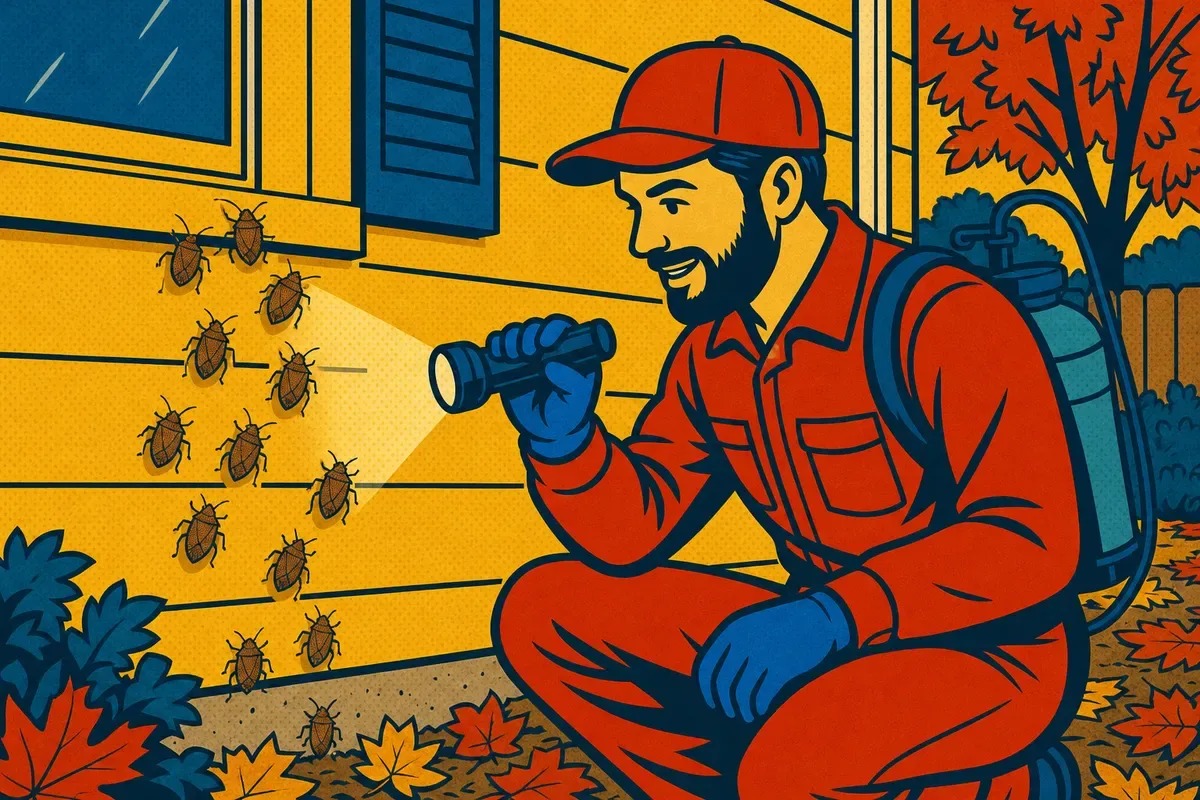
The stink bugs in your house came in to spend the winter. Brown marmorated stink bugs gather on buildings in September and October, squeeze in through gaps around windows, siding and vents, and settle into attics and wall voids until spring. They don’t bite, they don’t breed indoors and they don’t damage the house. They’re a nuisance, and the fix is mostly about sealing them out before next fall.
Which stink bug is in your house
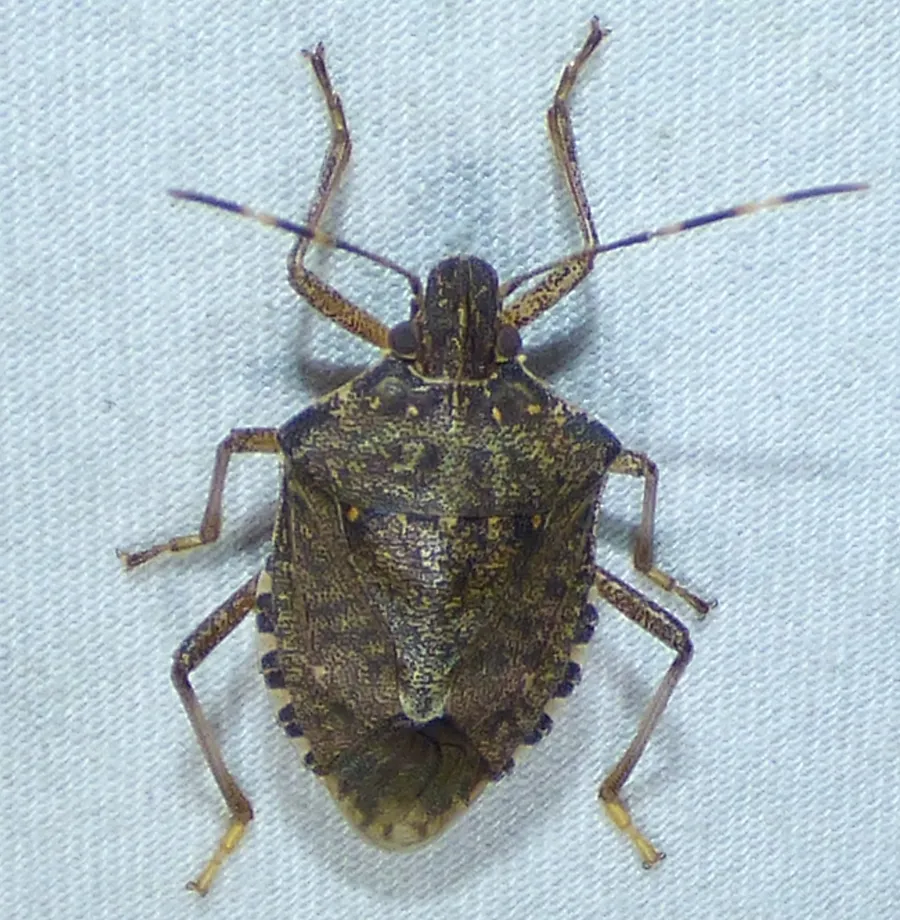
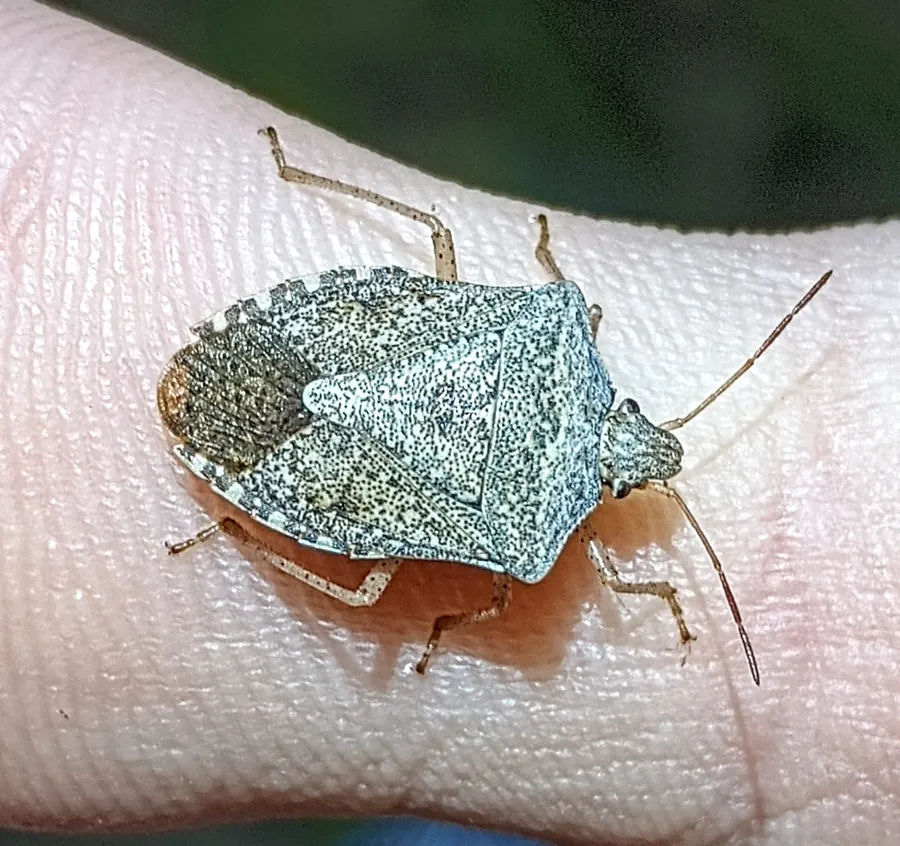
The Carolinas have several native stink bugs, but only one moves into houses. NC State Extension puts it plainly: the brown marmorated stink bug is the only stink bug species in North Carolina that seeks out buildings to spend the winter.
| Brown marmorated stink bug | Native stink bugs | |
|---|---|---|
| Antennae | Whitish bands | Plain, no bands |
| Comes indoors for winter? | Yes, sometimes by the hundreds | No |
| Where it’s from | Eastern Asia | Native |
It’s a recent arrival. The bug was first detected in the United States in Pennsylvania in the late 1990s, reached North Carolina in 2009 near Winston-Salem, and had been confirmed in 80 of the state’s 100 counties as of February 2025. Clemson Extension says it first appeared in South Carolina in 2011 and now has a wide distribution.
Why they come inside, and when
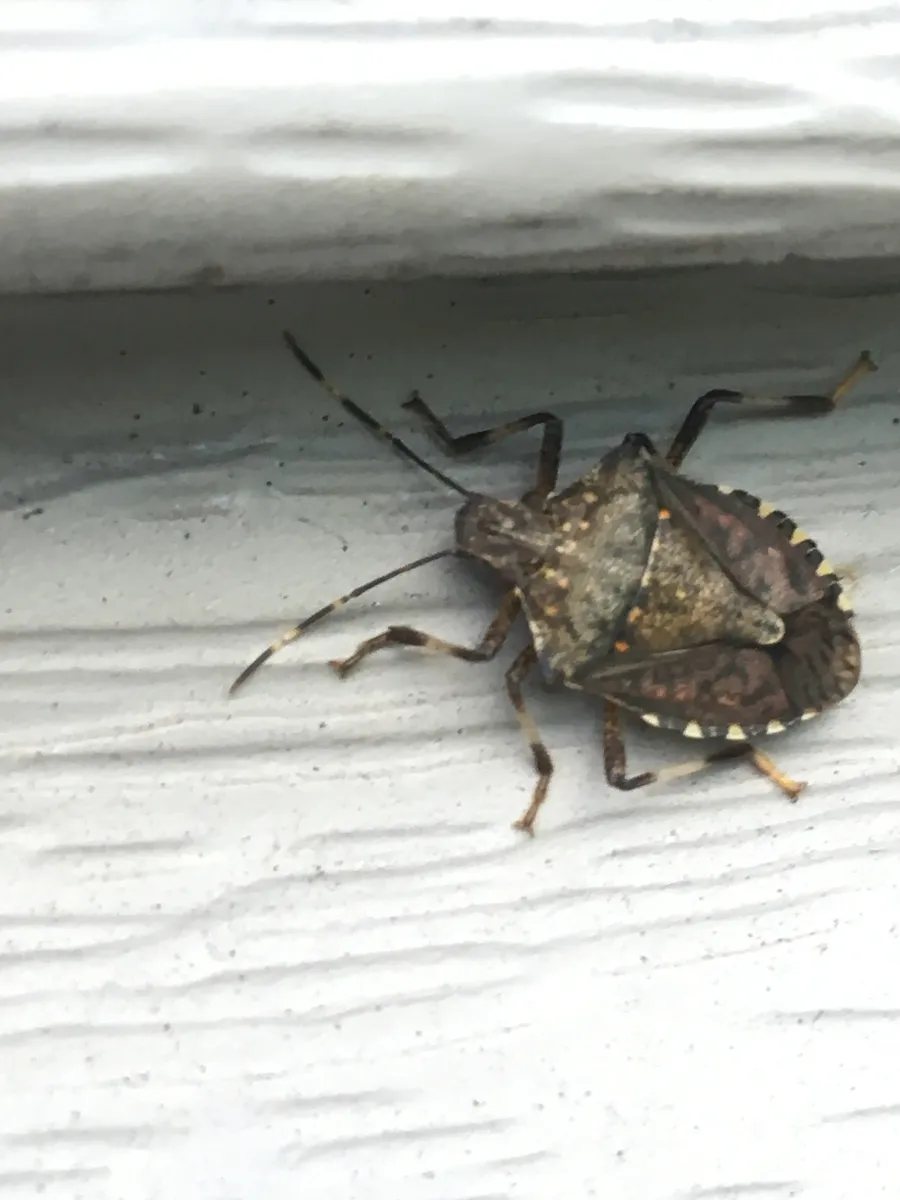
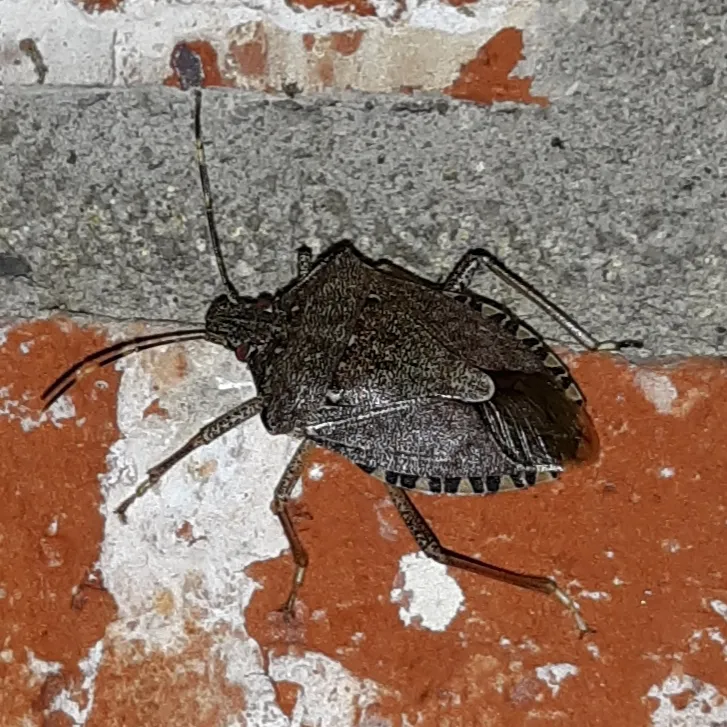
Stink bugs spend the summer outdoors feeding on plants. In fall they look for a dry, enclosed place to wait out the cold. In nature that’s a dead tree or a fallen log. Around people, it’s a house.
| When | What stink bugs are doing | What you see |
|---|---|---|
| Mid-September to October | Leaving plants and gathering on buildings, especially on sunny days | Shield-shaped bugs on outside walls, windows and screens |
| Late fall and winter | Tucked into attics, wall voids and other dark, quiet spots. They don’t reproduce indoors | A few wandering into rooms on warm days |
| Spring | Coming out of hiding to go back outside and mate | Bugs at windows, trying to get out |
NC State entomologist Michael Waldvogel notes that the move is driven by shorter days and fewer food plants, not just cold weather, and that the bugs are most noticeable in the Piedmont, Foothills and western part of the state. Indoors, Clemson says they favor spots around windows, baseboards, attics and almost any void space.
Are stink bugs harmful?
| Question | Answer |
|---|---|
| Do they bite? | No. They don’t bite people or pets |
| Do they breed in the house? | No. They don’t reproduce indoors |
| Do they damage the house? | No. They cause no structural damage |
| Do they carry disease? | They aren’t known to transmit disease |
| Why the smell? | They release an odor from scent glands when disturbed or squashed |
Answers are from the EPA’s guide to the brown marmorated stink bug. The real harm they do is outdoors, to fruit and vegetable crops.
How to get stink bugs out of the house
- Vacuum them up. It’s the method both Clemson and the EPA recommend. Seal the bag or empty the canister outside right away. The vacuum may smell for a while afterward.
- Don’t squash them. That’s what releases the smell.
- Try a soapy water trap. The EPA describes a metal pan of soapy water under a light. It catches some, but it won’t clear them out by itself.
- Skip the foggers. Aerosols and bug bombs kill the bugs out in the open, but the EPA notes more will keep emerging from the cracks after the product dries.
How to keep them out next fall
Sealing the house is the long-term fix. Get it done before next September, when the next wave starts gathering.
| Seal or fix this | How |
|---|---|
| Windows and door frames | Caulk inside and out; add weather stripping and door sweeps where daylight shows |
| Window screens | Repair tears and make sure they fit tightly in the frame |
| Eaves, soffits and attic vents | Check that the screening is intact |
| Pipes, cables and electrical lines | Caulk small gaps where they enter; pack larger ones with steel wool |
| Chimney | Keep the damper closed when it’s not in use, and cap or screen the top |
| Foundation and crawl space | Seal cracks and secure the crawl space entrance |
The checklist combines Clemson’s and the EPA’s recommendations.
What about spraying the outside? Timing is everything. Clemson notes that exterior treatments break down quickly in sunlight and moisture unless they’re well placed, and should focus on entry points, cracks and crevices. By November most of the bugs are already inside, which is why the treatment belongs in late summer and early fall.
When to call
Clemson’s advice is simple: if the problem is bigger than a vacuum can handle, call a professional. That usually means dozens of bugs indoors every week, or clusters in the attic.
Mack’s stink bug control service starts with an inspection to find where they’re gathering and the gaps around windows, siding, soffits and utility lines they’re using. We treat the outside of the home in late summer and fall, timed for when stink bugs are looking for a place to spend the winter, show you which gaps to seal, and help with the ones already inside. On a year-round plan, if they come back between visits, so do we.
If stink bugs got in this year, now is the time to get on the schedule for next season. We serve the Carolinas from Greenville and Spartanburg to Charlotte and Winston-Salem. Request a free estimate or call 864-235-9611.