
Carpenter Ant Control Services
We track carpenter ants back to their nests in your walls and wood, treat the nests directly and help fix the moisture problems that drew them in.
Free, no-obligation estimate.
Signs you need carpenter ant control
Carpenter ants don't eat wood, but they hollow it out to nest, and the damage adds up.
-

Sawdust-like debris
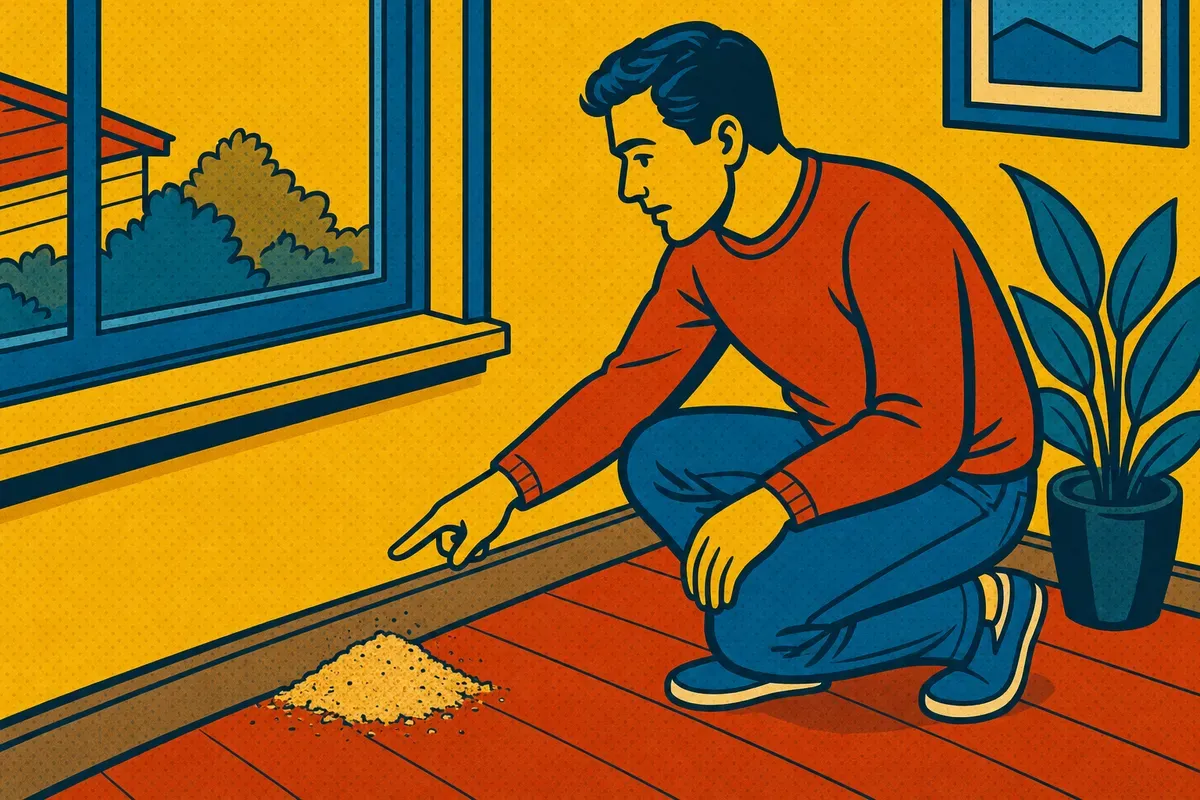
Small piles of coarse shavings (called frass) below windows, baseboards, door frames or in the attic, often mixed with insect parts.
-

Large black ants indoors
Big black or red-and-black ants, up to half an inch long, wandering indoors, especially at night.
-

Rustling in the walls
A faint rustling or crinkling sound inside walls or wooden structures: the colony at work.
-

Winged ants in spring
Winged carpenter ants indoors in spring usually mean a mature colony is nesting inside the house.
What's included in our carpenter ant control
-

Nest-tracing inspection
We follow the ants back to the main nest and any satellite nests, inside the house and out in the yard.
-

Direct nest treatment
We treat the nests themselves, which eliminates the colony instead of just the ants out foraging.
-

Baits and perimeter treatment
Baits for the ants we can't reach, and a treatment around the outside of the home to keep new colonies from moving in.
-

Moisture and wood advice
Carpenter ants prefer damp, damaged wood. We show you the leaks, rot and wood-to-soil contact that attracted them.
Our carpenter-ant-crushing team
Since 1983, Mack Pest Solutions has protected homes and businesses from carpenter ants.
How our carpenter ant treatment works
Carpenter ants nest in wood softened by moisture: around leaky windows and roofs, in rotting deck boards, behind siding and inside wall voids. A colony often has a main nest outdoors, in a stump or dead tree, and satellite nests inside the house, so killing the ants you see in the kitchen doesn't solve it.
We start by tracing foraging ants back to their nests and checking the moisture-damaged wood they prefer. Then we treat the nests directly, use baits to reach the colony where we can't, and treat around the outside of the home to keep new colonies from moving in.
Because moisture is what draws them, we'll also show you what needs fixing, whether that's a leak, rotted trim or mulch piled against the siding. Most infestations are under control within a few days and fully resolved in one to two weeks.

Dealing with carpenter ants? Free, no-obligation estimate.
Here's what our customers say. 📣
-
“Dalton is awesome ! calls ahead to let us know he's on the way. Quick to help and get the job done…”
Drew Paladino, Google review -
“James is the best! Super knowledgeable and helpful! By far the best representative we have had!”
Eve Umberger, Google review -
“Rose was absolutely amazing! She explained what needed to be done in terms I could understand! Thank…”
kim weindel, Google review



What to expect from carpenter ant treatment
Find the nests, treat them, and fix what drew them in.
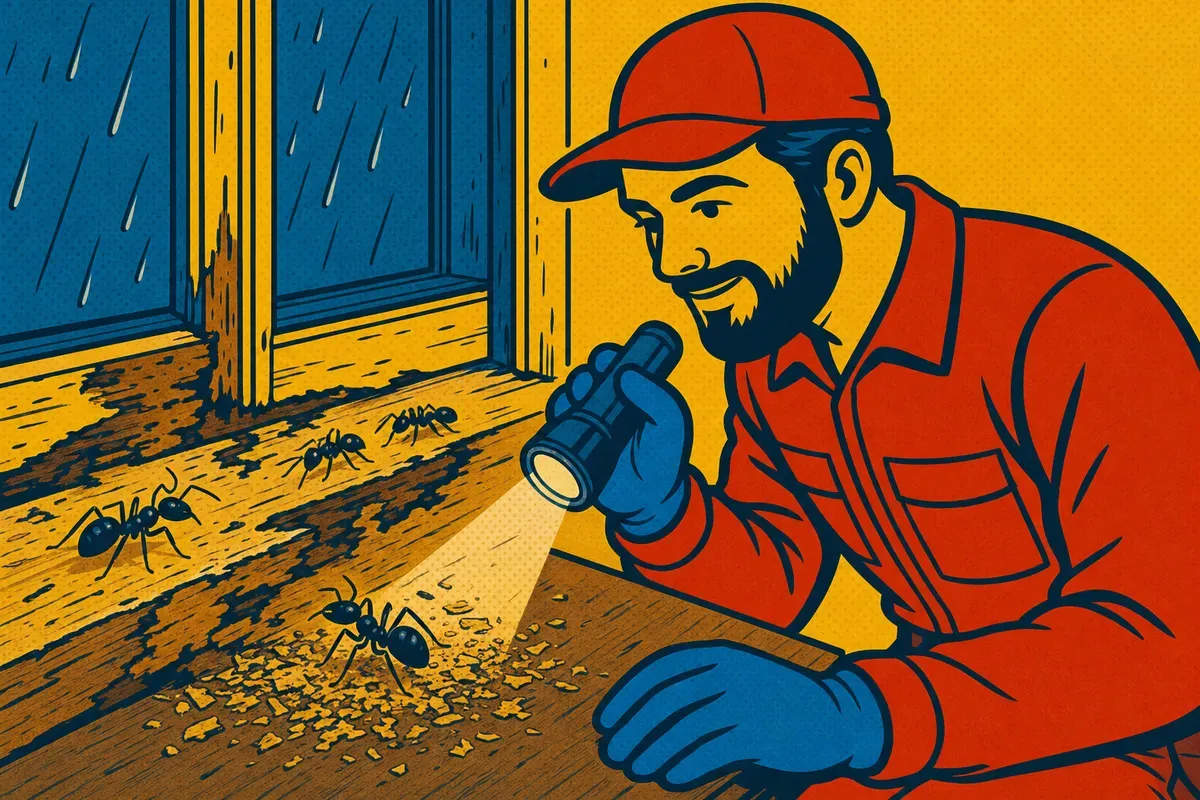
- Step 1
Inspection
We trace the ants back to the main nest and satellite nests and look for the moisture-damaged wood they're using.
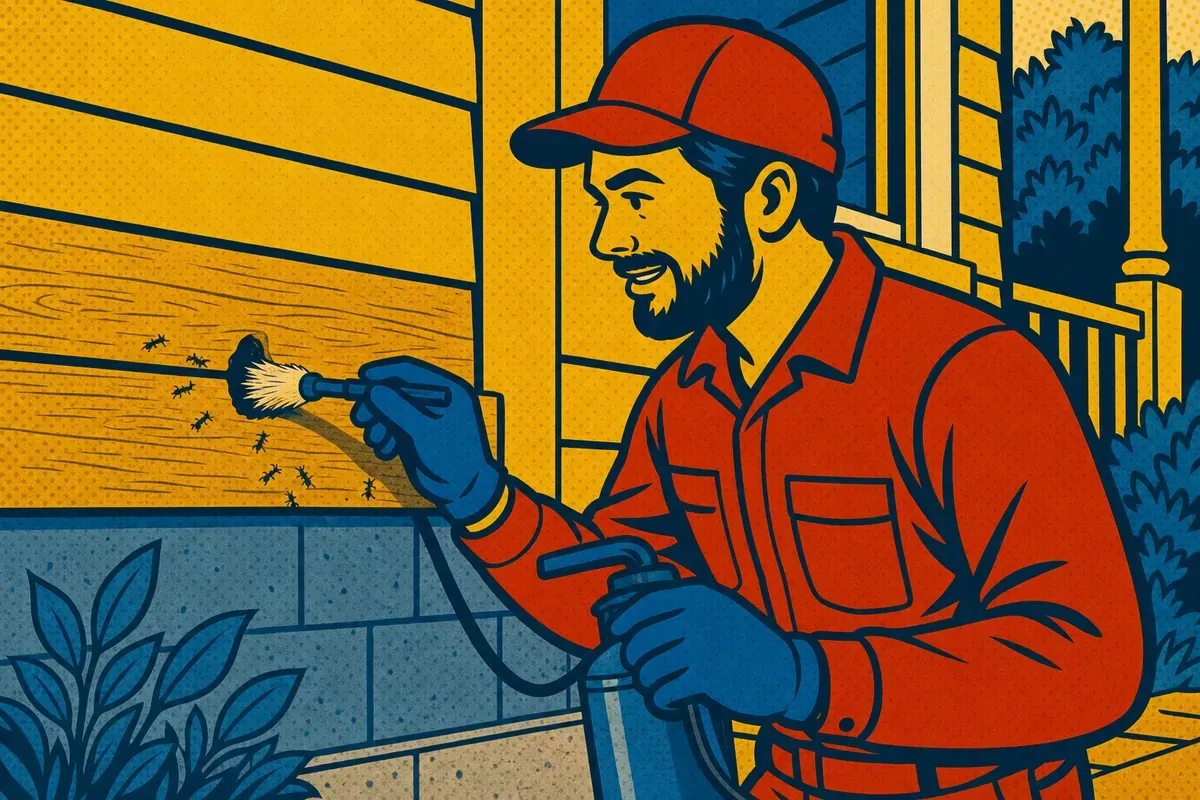
- Step 2
Nest treatment
We treat the nests directly, place baits where needed and treat around the outside of the home.
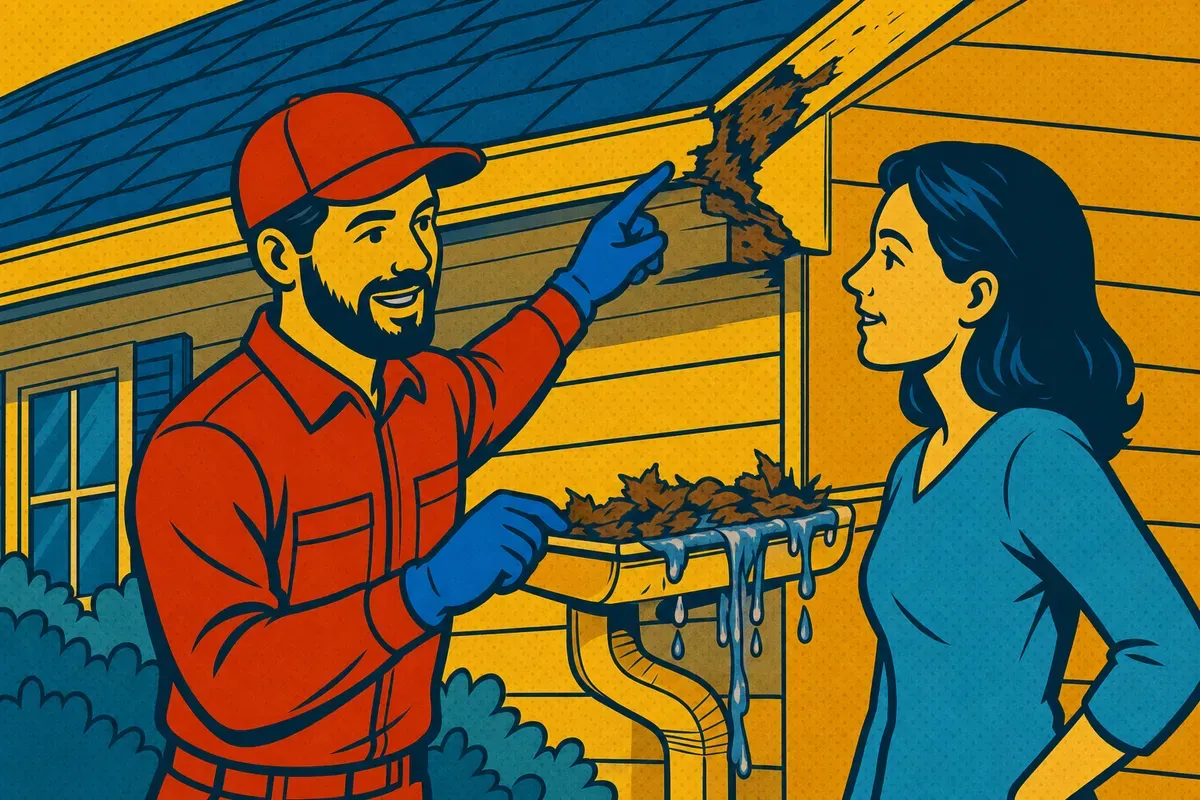
- Step 3
Follow-up and prevention
We check back to confirm the colony is gone and help you fix the moisture problems that attracted them.
How to prepare for carpenter ant treatment
-
Note what you've seen
Where you've seen ants, sawdust-like debris or winged ants, and at what time of day.
-
Don't spray the ants
We need active ants to follow back to the nest.
-
Open up access
Clear the way to the attic, crawl space and anywhere you've found sawdust-like debris.
-
Clear the outside walls
Move firewood and stored items away from the house.
-
Wait until it's dry
Keep kids and pets away from treated areas until they've dried.
Related Blog Posts
Stay informed with expert advice and carpenter ant prevention tips from Mack Pest Solutions’ blog.
How Does South Carolina's Weather Influence Pest Behavior and Infestations?
Learn the influence of South Carolina's climate on pest infestations. Discover how weather and temperature shifts drive pest activity in your space.
Recognizing and Handling Common Indoor Pests in South Carolina Homes
Explore South Carolina's common indoor pests and their impacts while learning how to identify and manage them. Invaders in your home aren't welcome!
Embracing Eco-Friendly Pest Control Innovations in South Carolina
South Carolina is embracing eco-friendly pest control due to increasing environmental consciousness. Discover the benefits of green pest management solutions.


Carpenter ant control questions
How can I tell if I have carpenter ants?
Look for small piles of sawdust-like debris (frass) near wood, large black or red-and-black ants indoors, especially at night, a faint rustling inside walls, and winged ants in spring. An inspection will confirm it.
Carpenter ants or termites: how can I tell the difference?
Carpenter ants have a pinched waist and bent antennae, push sawdust-like shavings out of their nests, and leave clean, smooth tunnels. Termites have a straight waist and straight antennae, build mud tubes and pack their tunnels with soil. Both damage wood, so call us if you're not sure. See our termite control.
Can carpenter ants cause structural damage?
Yes. Carpenter ants tunnel through wood to build their nests, and over time they can weaken structural parts of a home or building. The sooner they're treated, the less damage they do.
How long does carpenter ant treatment take to work?
Most infestations are under control within a few days of treatment. Depending on how established the colony is, full elimination can take one to two weeks.
Do carpenter ants mean I have a moisture problem?
Often, yes. Carpenter ants prefer wood that's damp or already damaged, so they're a good reason to check for leaks around windows, roofs, plumbing and decks. Fixing the moisture is part of keeping them from coming back.
Is your treatment safe for pets and children?
Our products are EPA-registered and applied by licensed technicians according to the label. Keep kids and pets off treated areas until they've dried, and your technician will tell you when it's okay to go back.
Do you offer ongoing protection?
Yes. Our year-round plans include regular interior and exterior treatments that help keep ants out, and if pests come back between visits, so do we.
Take Back Your Home from Carpenter Ants Today!
Contact Mack Pest Solutions now for a free inspection and personalized pest control plan, protect your property from carpenter ants before it’s too late.
4.8 from 540+ Google reviews · Backed by our guarantee: if pests come back between visits, so do we, free.