
Hospital & Healthcare Pest Control Services
Pest control for hospitals, clinics and senior living that works around patient care and keeps your records survey-ready.
Free, no-obligation estimate.
What's included?
- Prevention-first program
- Service around patient care
- Survey-ready records
- Re-treatment guarantee
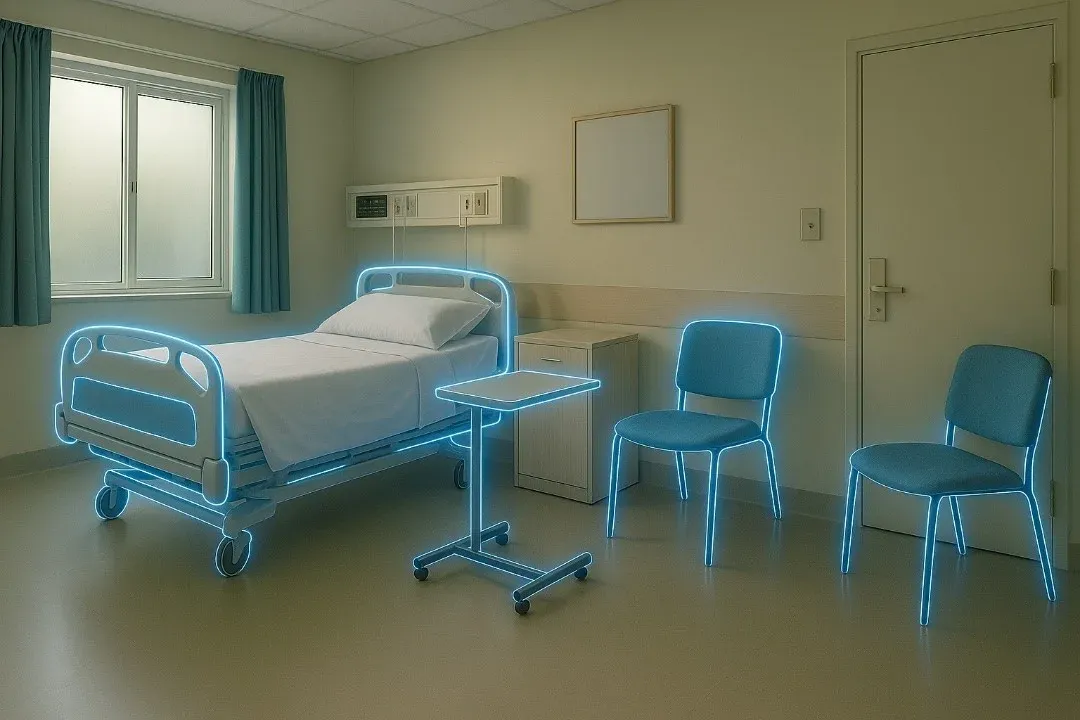
Pests that threaten healthcare facilities
In a healthcare setting, pests are an infection-control issue, not just a nuisance. These are the ones we guard against most.
-
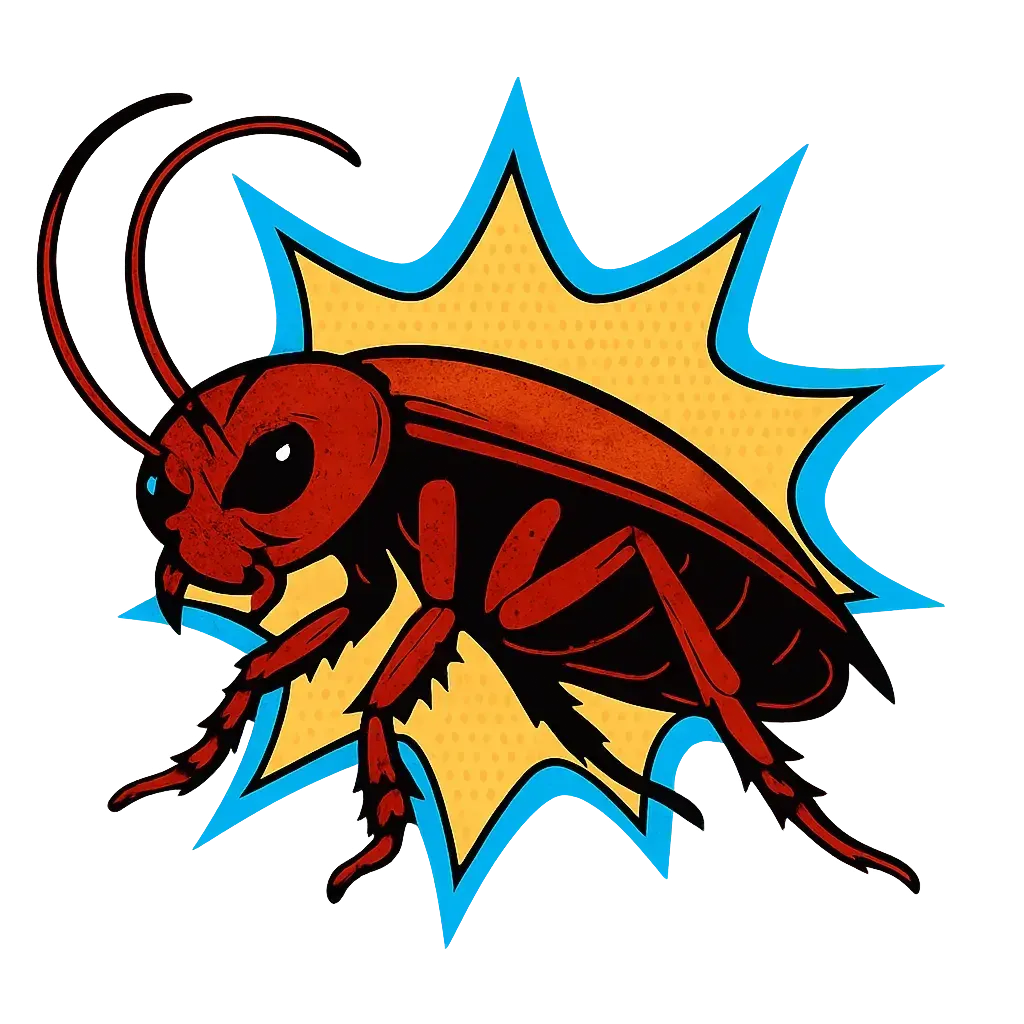
Cockroaches
Cockroaches carry bacteria from drains and waste areas, and kitchens and plumbing chases give them cover.
Cockroach control → -
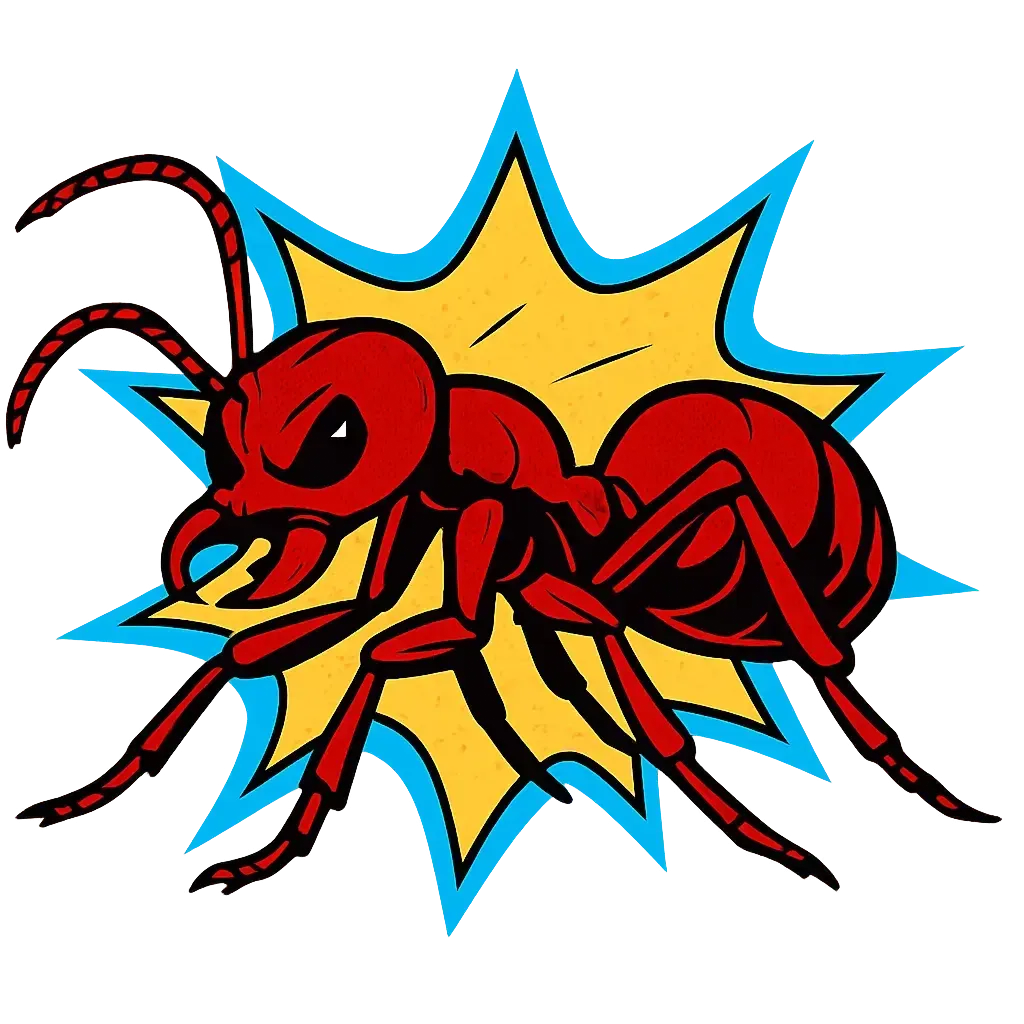
Ants
Ants trail to food, sugary drinks and moisture, and some species are drawn to wounds and medical supplies.
Ant control → -

Rodents
Mice and rats come in through loading docks and utility penetrations and contaminate supplies and food.
Rodent control → -
-
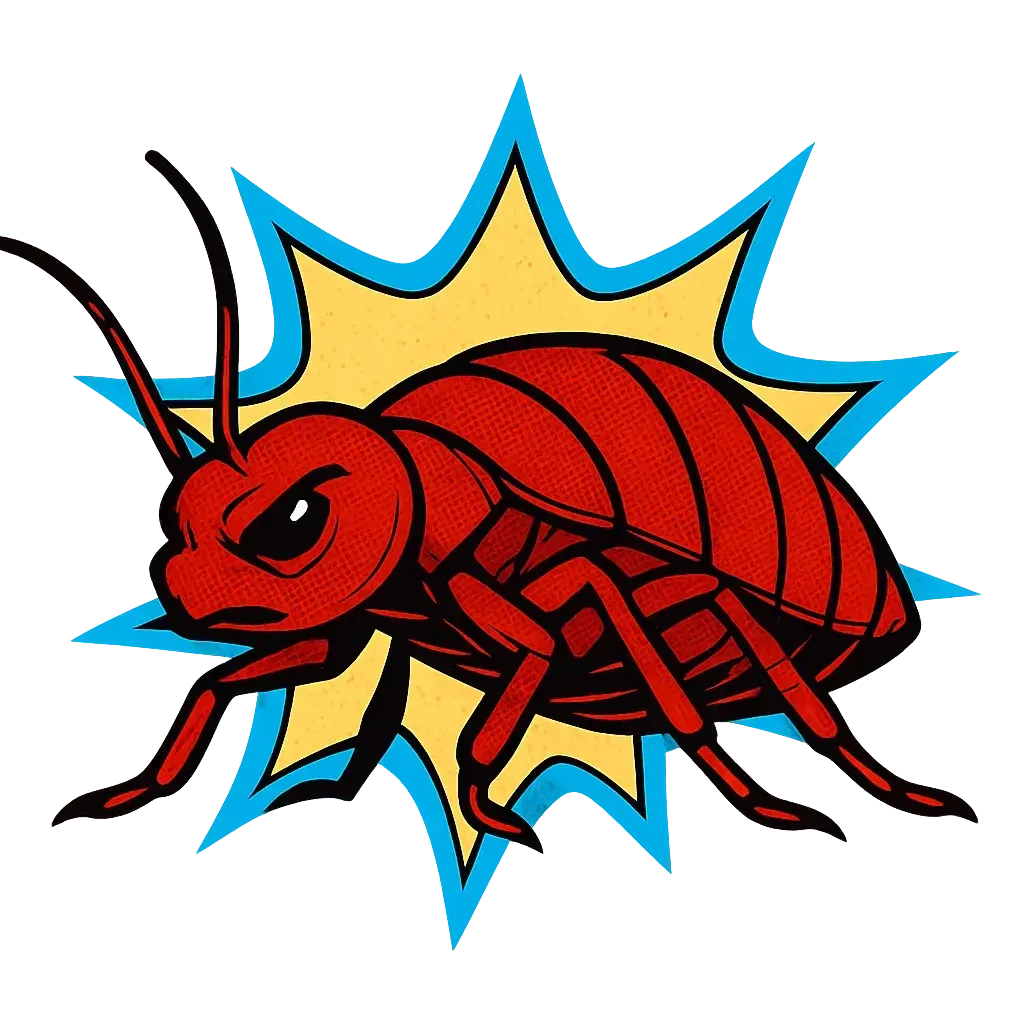
Bed Bugs
Bed bugs arrive with patients, visitors and belongings, and need quiet, fast containment.
Bed bug control → -
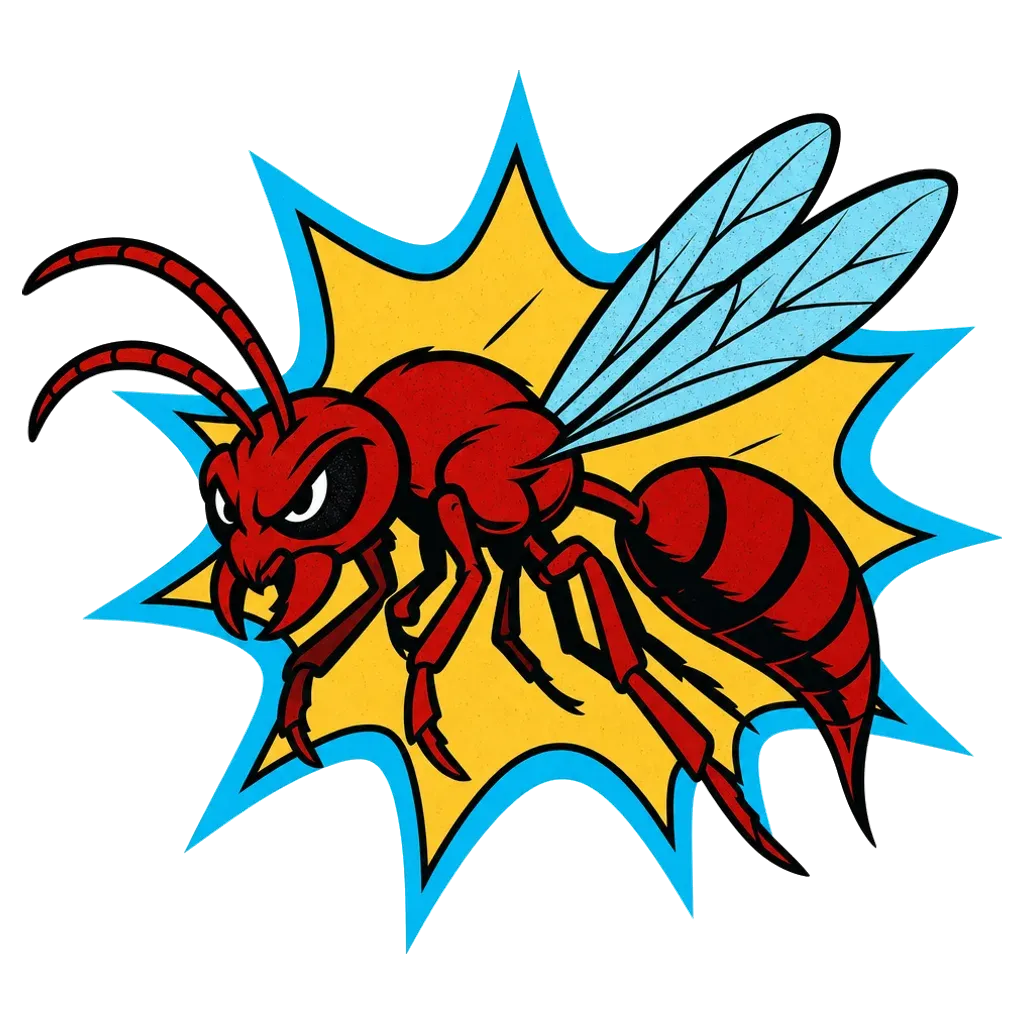
Stinging Insects
Wasps nest around entrances, courtyards and rooftop equipment where patients and staff pass.
Wasp & hornet control →
What's included in your healthcare pest control program
A healthcare program is built around patient safety and your documentation.
-

Facility assessment
We inspect kitchens, loading docks, soiled utility and waste areas, plumbing chases and break rooms.
-

Service around patient care
Early mornings, overnight in 24-hour facilities, or unit by unit, coordinated with facility staff.
-

Prevention-first IPM
Exclusion, sanitation findings and monitoring first; non-chemical methods first in sensitive areas.
-

Monitoring in sensitive zones
Monitoring stays in place in sensitive zones, and exclusion seals the routes pests use to get in.
-

Survey-ready records
Findings, monitoring results, products applied and corrective recommendations for your environment-of-care files.
-

Guaranteed results
If pests come back between scheduled visits, so do we, at no extra charge. Problems in patient-care areas go to the front of the schedule.
How we protect patients, staff and your survey record
Our technicians inspect the pressure points unique to healthcare buildings: kitchens and food service lines, loading docks, soiled utility and waste areas, plumbing chases and staff break rooms.
The program relies on Integrated Pest Management: exclusion, sanitation, monitoring, and targeted applications of EPA-registered products only where needed. Patient rooms, sterile storage and treatment spaces get non-chemical methods first, coordinated with your staff. Technicians are uniformed and follow your infection-control and access protocols.
Every visit is documented for your environment-of-care records, so pest management records are ready whenever surveyors ask for them.
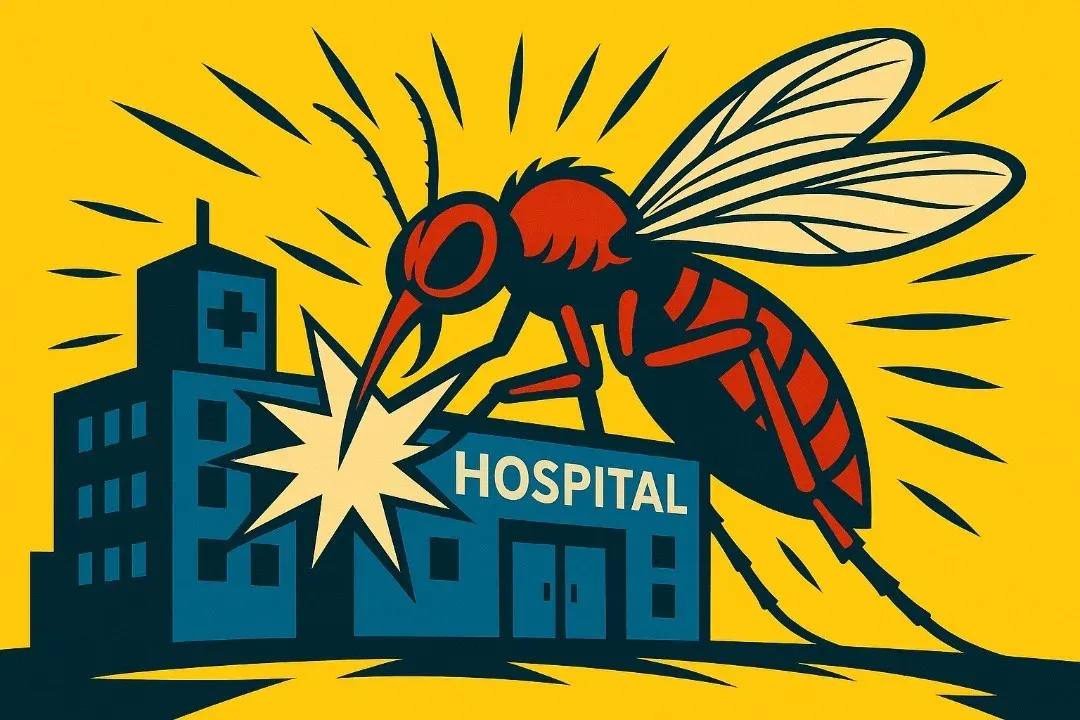
Protect your healthcare business. Free, no-obligation estimate.
Here's what our customers say. 📣
-
“James is the best! Super knowledgeable and helpful! By far the best representative we have had!”
Eve Umberger, Google review -
“Rose was absolutely amazing! She explained what needed to be done in terms I could understand! Thank…”
kim weindel, Google review -
“Five stars all around for this business!!! Tre was absolutely phenomenal and extremely thorough!…”
Lisa Moseley, Google review



How your healthcare program works
From the facility assessment to records your surveyors can read.
- Step 1
Facility assessment
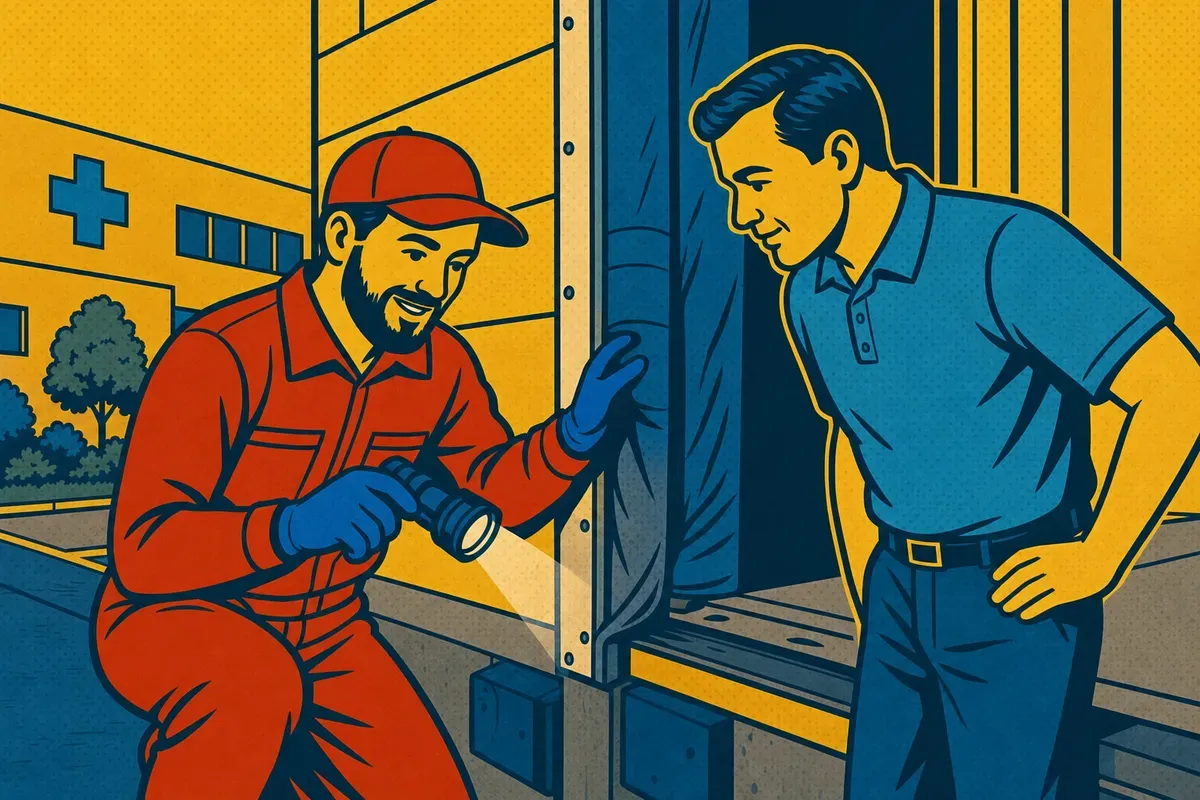
We walk the facility with your facilities team, from the loading dock and kitchens to waste areas and plumbing chases.
- Step 2
Program setup
We place monitoring in sensitive zones, seal entry points and set a schedule around patient care.
- Step 3
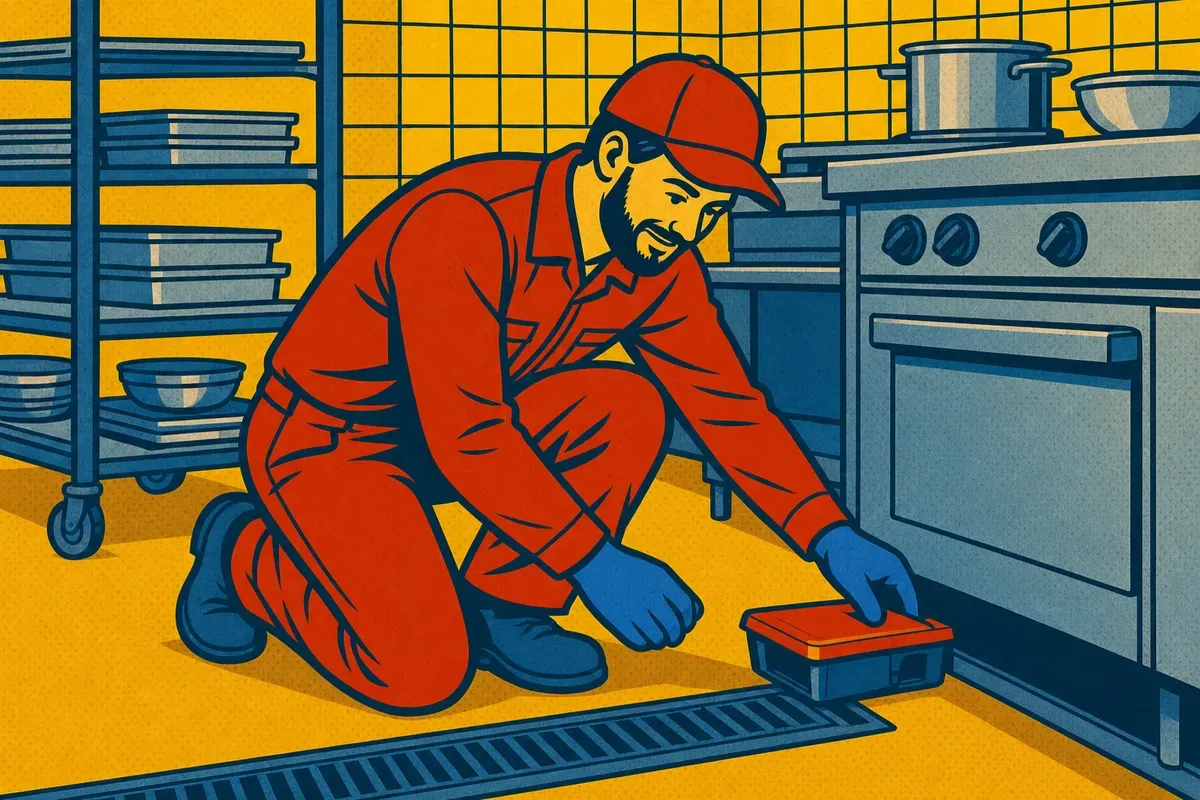
Scheduled service and records
We service on schedule and document every visit for your environment-of-care files.

Your staff's part in a pest-free facility
-
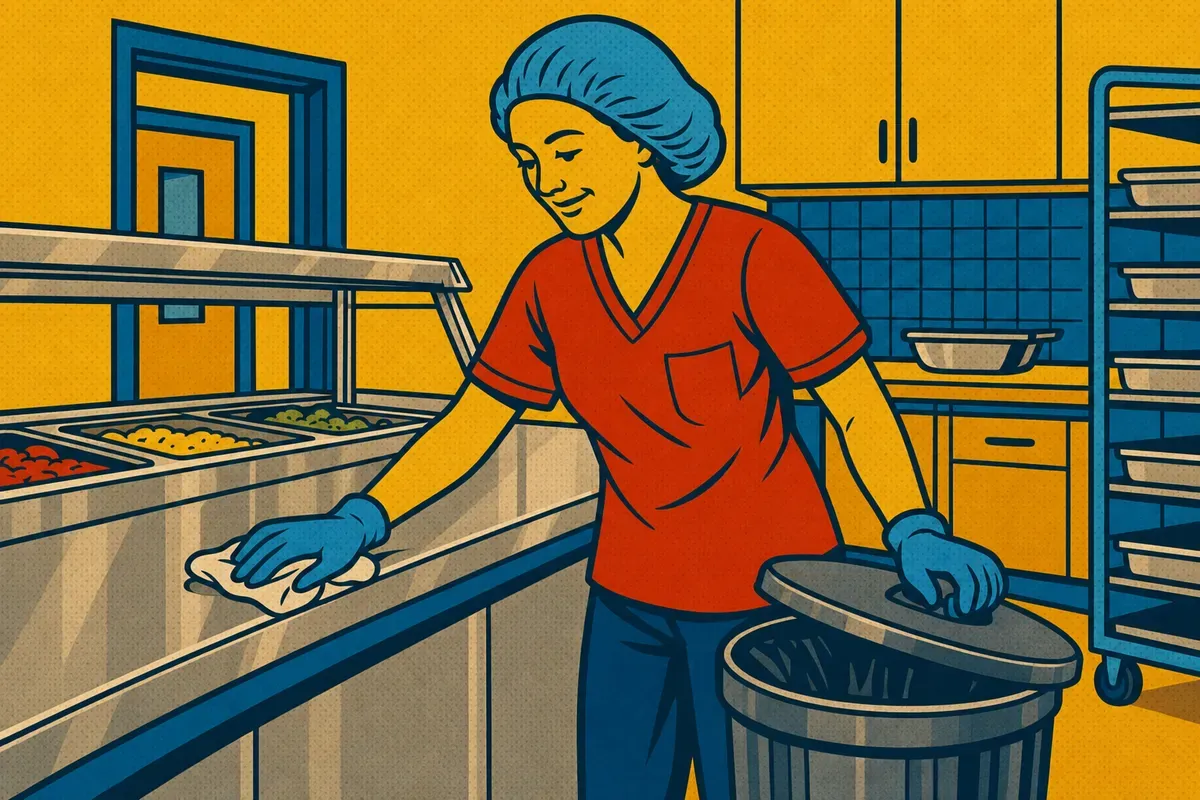
Keep food areas clean
Wipe down food service lines and keep trash lids closed.
-
Keep dock doors closed
Close loading dock doors between deliveries and report damaged seals.
-
Report sightings fast
Note what, where and when, and call us for anything in patient-care areas.
-
Don't use store-bought sprays
They aren't tracked in your records and can scatter pests into new areas.
-
Fix leaks quickly
Moisture under sinks and in plumbing chases draws roaches and ants.
From the Mack Pest blog
How Does South Carolina's Weather Influence Pest Behavior and Infestations?
Learn the influence of South Carolina's climate on pest infestations. Discover how weather and temperature shifts drive pest activity in your space.
Recognizing and Handling Common Indoor Pests in South Carolina Homes
Explore South Carolina's common indoor pests and their impacts while learning how to identify and manage them. Invaders in your home aren't welcome!
Embracing Eco-Friendly Pest Control Innovations in South Carolina
South Carolina is embracing eco-friendly pest control due to increasing environmental consciousness. Discover the benefits of green pest management solutions.
Healthcare pest control questions
Is pest control safe around patients and medical equipment?
Yes. We rely on Integrated Pest Management: exclusion, sanitation, monitoring and targeted applications of EPA-registered products only where needed. Sensitive areas like patient rooms, sterile storage and treatment spaces get non-chemical methods first, coordinated with your facility staff.
Can you treat our facility without disturbing patient care?
Yes. We work around your operations: early mornings, overnight hours in 24-hour facilities, or unit-by-unit scheduling coordinated with your facility managers. Technicians work quietly, in uniform, and follow your infection-control and access protocols.
What documentation do you provide for accreditation and state surveys?
Every service produces detailed records: findings, monitoring results, products applied and corrective recommendations. Facilities keep these in their environment-of-care files so pest management records are ready whenever surveyors ask for them.
Which pests are the biggest risk in healthcare settings?
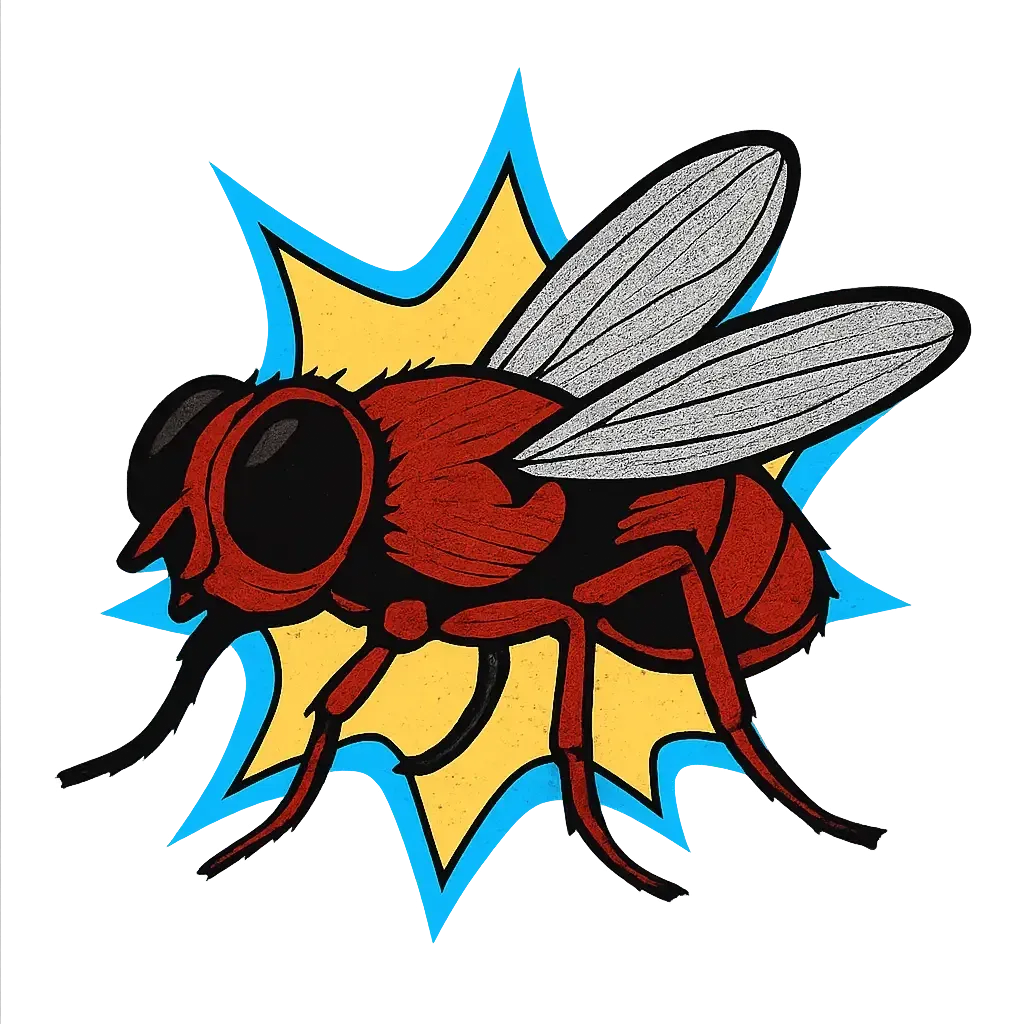
Cockroaches, ants, rodents and flies top the list because they can spread bacteria in sensitive environments. Kitchens, loading docks, soiled utility rooms and staff break areas are the common pressure points our inspections target.
How fast can you respond to a pest sighting in our facility?
Report a sighting and we prioritize it. Active pest issues in patient-care environments go to the front of the schedule, and follow-ups between scheduled visits are covered by our re-treatment guarantee.
Do you serve clinics and senior living communities too?
Yes. Hospitals, clinics, medical offices and senior living communities all get the same approach, adjusted to the building and its residents or patients.
How do you handle bed bugs in a healthcare facility?
Quietly and quickly: we inspect the affected area and the spaces around it, treat, and follow up. See bed bug treatment.
Protect Your Healthcare Facility Today
Free estimates. Guaranteed results.
4.8 from 540+ Google reviews · Backed by our guarantee: if pests come back between visits, so do we, free.