
Carpenter Bee Control Services
We treat the holes carpenter bees drill into your eaves, decks and trim, and help you protect the wood so they don't come back to drill again next spring.
Free, no-obligation estimate.
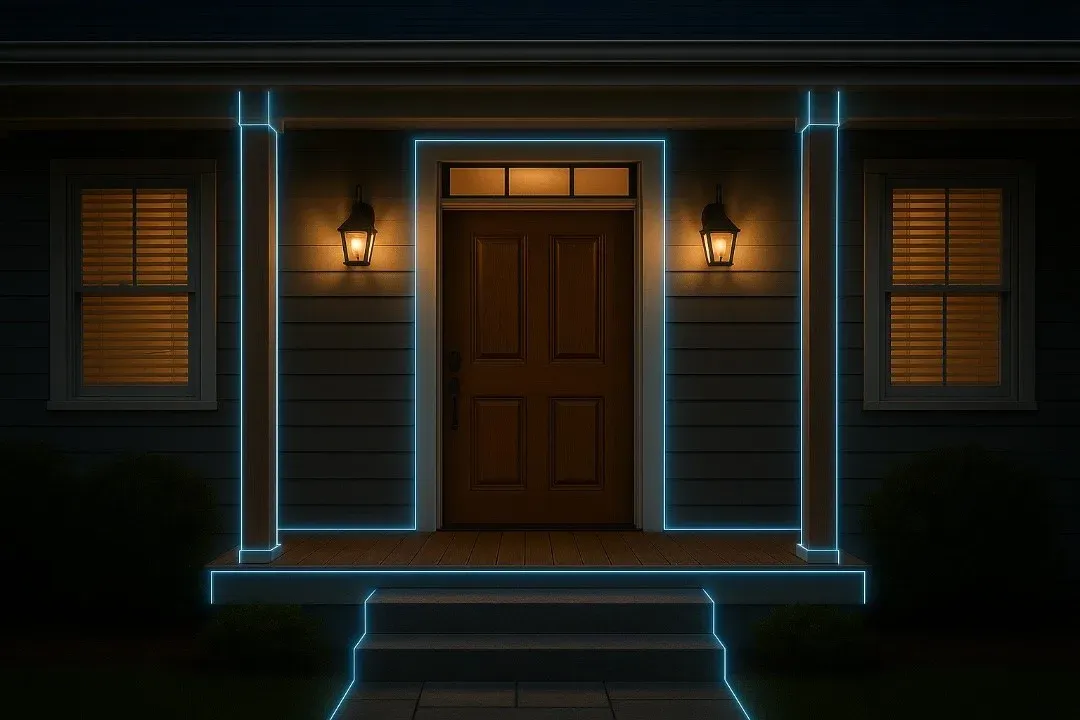
Signs you need carpenter bee control
Carpenter bees come back to the same wood year after year, and the damage builds each season.
-

Round holes in wood
Perfectly round holes about half an inch wide in fascia boards, eaves, decks, railings, fences and outdoor furniture.
-

Sawdust below the holes
Small piles of coarse sawdust on the ground or deck beneath fresh holes.
-

Yellow-brown stains
Streaks of yellowish waste staining the wood just below the entrance holes.
-

Bees hovering at the eaves
Large black-and-yellow bees hovering around the eaves or deck in spring. They look like bumblebees but have a shiny, bare abdomen.
What's included in our carpenter bee treatment
-

Inspection of exposed wood
We check the eaves, fascia, decks, railings, siding and outbuildings for active holes and old damage.
-

Treatment of every nest hole
We treat the nest holes directly, so the bees inside and those returning come into contact with the treatment.
-

Preventive wood treatment
We can treat exposed wood surfaces to discourage bees from drilling new holes.
-

Repair and sealing advice
Once the bees are gone, the holes should be filled and the wood painted or stained. We'll tell you when and how.
Our carpenter-bee-crushing team
Since 1983, Mack Pest Solutions has protected homes and businesses from carpenter bees.
How our carpenter bee treatment works
Carpenter bees don't eat wood, but females drill perfectly round tunnels into it to lay their eggs, and they come back to the same tunnels year after year, extending them each season. Bare, unpainted or weathered wood is their favorite: fascia boards, eaves, decks, railings and fences. Woodpeckers make the damage worse by tearing into the wood to get at the larvae inside.
We treat each active hole directly, so the bees inside and those returning to it contact the treatment. Timing matters: the holes should stay open for a short while after treatment so returning bees pass through it, then be plugged and sealed. We'll tell you when it's time.
To keep them from coming back, we can apply a preventive treatment to exposed wood, and we'll recommend painting or staining bare wood, which carpenter bees tend to avoid.
Carpenter bees aren't part of the stinging insect coverage in our year-round plans. They're a wood-destroying insect and need their own treatment.

Dealing with carpenter bees? Free, no-obligation estimate.
Here's what our customers say. 📣
-
“Rose was absolutely amazing! She explained what needed to be done in terms I could understand! Thank…”
kim weindel, Google review -
“Five stars all around for this business!!! Tre was absolutely phenomenal and extremely thorough!…”
Lisa Moseley, Google review -
“Rob with Mack Pest Solutions has been great to work with! He always gives us a courtesy call before…”
Lodges LakeWylie, Google review



What to expect from carpenter bee treatment
Treat the holes, then protect the wood.
- Step 1
Inspection
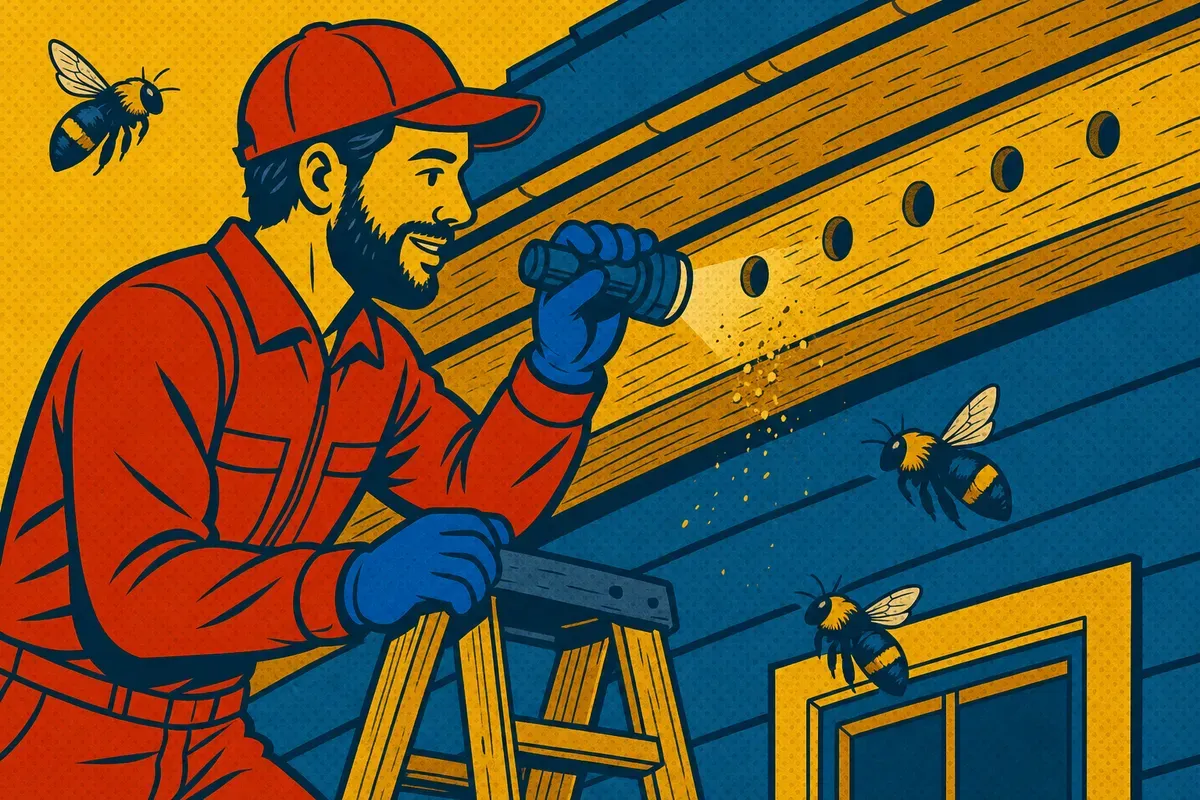
We find every active hole and check the wood around the home for old damage and new activity.
- Step 2
Treatment
We treat each nest hole directly and can treat exposed wood surfaces to discourage new drilling.

- Step 3
Sealing and prevention
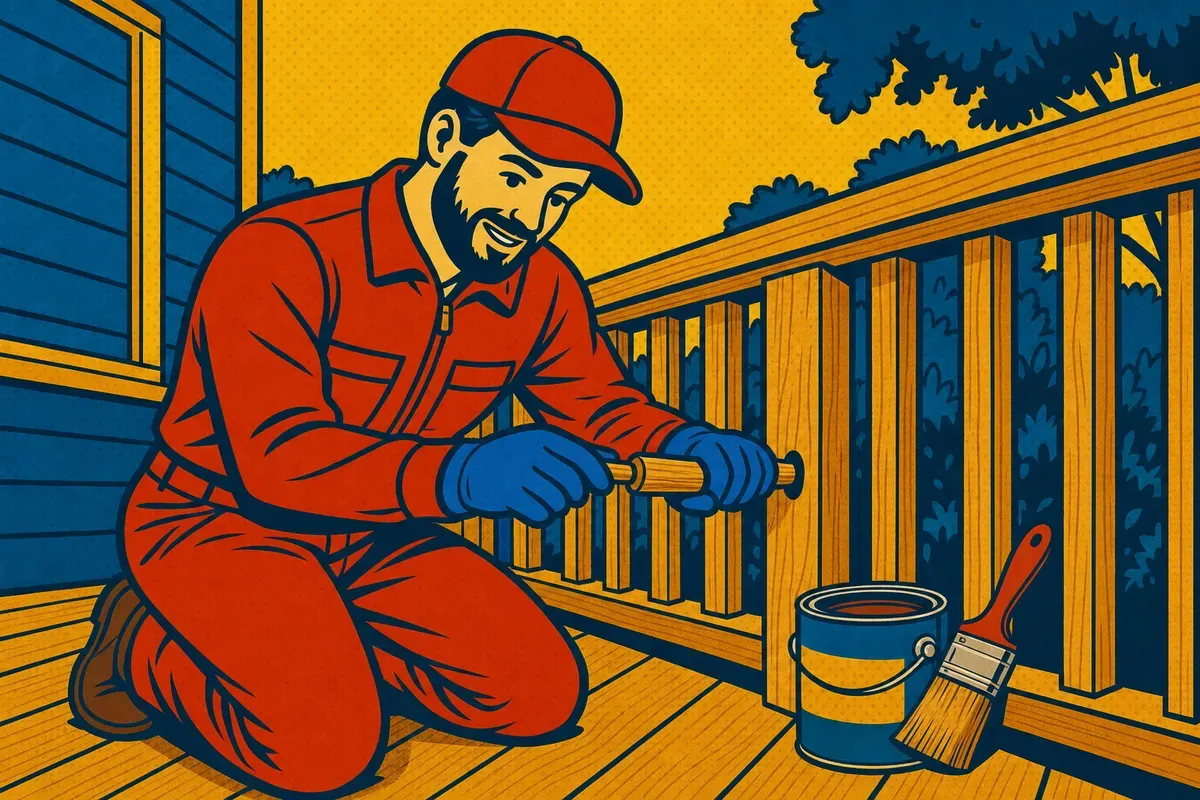
Once the bees are gone, the holes get plugged and sealed and bare wood gets painted or stained. We'll walk you through it.
How to prepare for carpenter bee treatment

-
Don't plug the holes
Bees sealed inside chew their way out, and the treatment needs an open path into the tunnel.
-
Show us every spot
Point out everywhere you've seen bees or sawdust, including sheds, fences and the play set.
-
Keep kids and pets back
Keep them away from treated areas until we're done and the treatment has dried.
-
Tell us about allergies
If anyone in the home is allergic to stings, let us know when you book.
Learn More About Carpenter Bees & Pest Control
Explore our blog for expert tips, advice, and the latest news in pest prevention.
How Does South Carolina's Weather Influence Pest Behavior and Infestations?
Learn the influence of South Carolina's climate on pest infestations. Discover how weather and temperature shifts drive pest activity in your space.
Recognizing and Handling Common Indoor Pests in South Carolina Homes
Explore South Carolina's common indoor pests and their impacts while learning how to identify and manage them. Invaders in your home aren't welcome!
Embracing Eco-Friendly Pest Control Innovations in South Carolina
South Carolina is embracing eco-friendly pest control due to increasing environmental consciousness. Discover the benefits of green pest management solutions.

Carpenter bee control questions
Are carpenter bees dangerous?
Not usually. Male carpenter bees can't sting at all, even though they're the ones that hover and dive at you. Females can sting but rarely do unless they're handled. The real danger is the damage to wood, which gets worse every year.
How do you get rid of carpenter bees?
We treat each nest hole directly so the bees inside and the ones returning contact the treatment, then the holes get sealed once the bees are gone. A preventive treatment and paint or stain on bare wood help keep them from coming back.
When is the best time to treat carpenter bees?
Spring, when they're active and drilling new holes. Young bees emerge from the nests in late summer, so treating active holes then helps too. The sooner you treat, the less damage builds up.
Should I fill the holes myself?
Not before they've been treated. Bees sealed inside will chew back out, often making a new hole. Once the treatment has done its job, fill the holes with wood filler or dowels and paint or stain over them.
Are carpenter bees covered by your pest control plans?
No. Carpenter bees aren't part of the stinging insect coverage in our year-round plans, because they're wood-destroying insects that need their own treatment. Call us and we'll quote carpenter bee treatment for your home.
Are carpenter bees the same as bumblebees?
No. They look similar, but carpenter bees have a shiny, mostly bare black abdomen, while bumblebees are fuzzy all over. Bumblebees nest in the ground and don't damage wood.
How quickly can you treat my home?
We offer same-day and next-day appointments for carpenter bees whenever we can.
Do your treatments harm pets or children?
Our products are EPA-registered and applied by licensed technicians according to the label. Keep kids and pets off treated areas until they've dried, and your technician will tell you when it's okay to go back.
Let’s Banish Carpenter Bees Together!
Contact Mack Pest Solutions now for a free inspection and reclaim your wood structures today.
4.8 from 540+ Google reviews · Backed by our guarantee: if pests come back between visits, so do we, free.