
Ant Control Services
We find the colony, not just the trail, and treat it with baits and barrier treatments that keep ants out of your kitchen and fire ants out of your yard.
Free, no-obligation estimate.
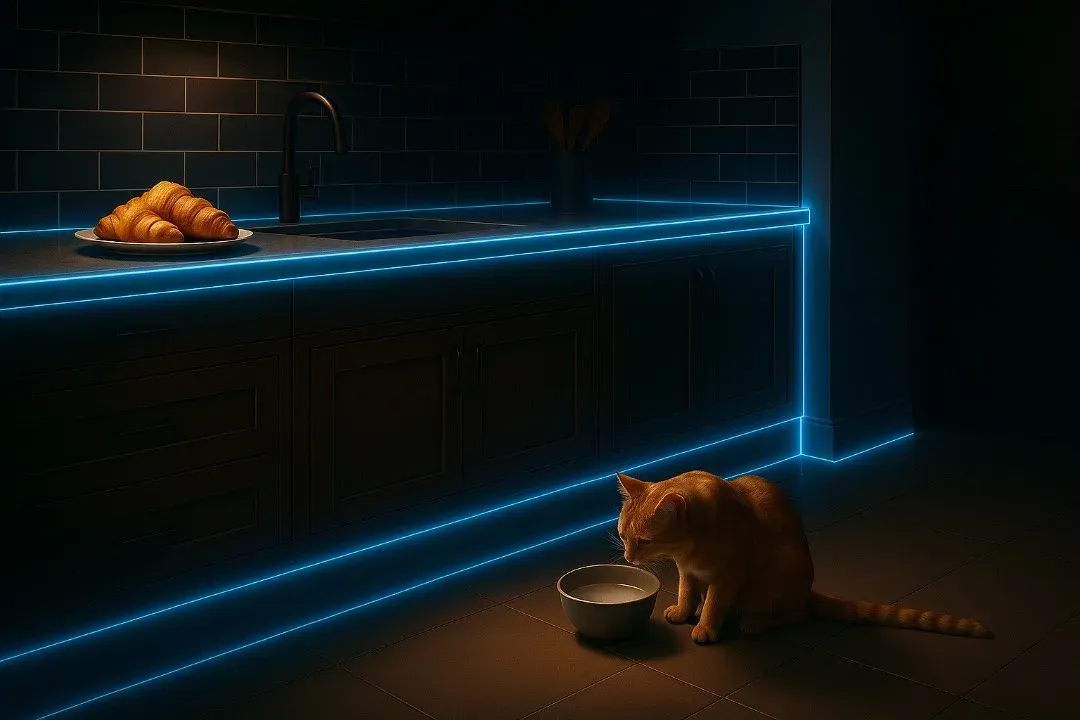
Signs you need ant control
A single ant isn't a problem. These are signs of a colony that's settled in.
-

Trails indoors
Lines of ants along counters, baseboards, windowsills or into the pantry that come back no matter how many you wipe up.
-

Fire ant mounds
Fluffy mounds of loose soil in the lawn, especially after rain, and ants that swarm and sting when disturbed.
-

Winged ants inside
Winged ants swarming indoors can mean a colony is nesting in the walls or under the floor. They're easy to mistake for termites.
-
Dirt piles and nests
Small piles of soil in pavement cracks and along the foundation, or ants nesting in potted plants and under stones.
What's included in our ant control service
We treat the colony, not just the ants you can see.
-

Ant identification
Different ants need different baits and treatments, so we identify the species first.
-

Colony-killing baits
Worker ants carry bait back to the nest and share it, so it reaches the queen and the colony you can't see.
-

Exterior barrier
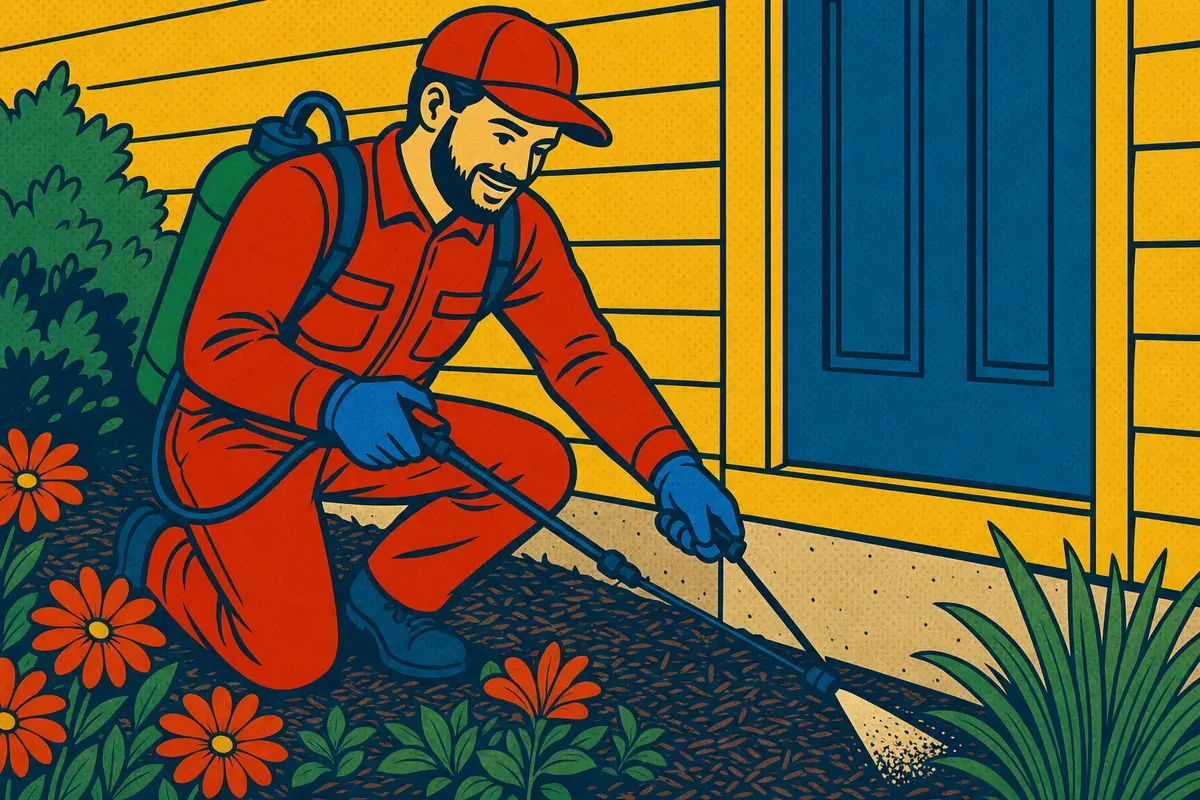
A treatment around the foundation, doors, windows and entry points to stop new ants from coming inside.
-

Fire ant treatment
We treat fire ant mounds in the yard. Every year-round plan includes fire ant treatment within 15 feet of the home.
-

Prevention advice
We point out the food, moisture and gaps drawing ants in, and how to fix them.
-

Guaranteed results
On a year-round plan, if ants come back between visits, so do we, at no extra cost.
Our ant-crushing team
Since 1983, Mack Pest Solutions has protected homes and businesses from ants.
How our ant treatment works
Spraying the ants you see only kills a few workers. The colony, and the queen laying eggs, stays hidden in a wall, under a slab or out in the yard, and some species split into new colonies when they're sprayed. That's why ants keep coming back after store-bought sprays.
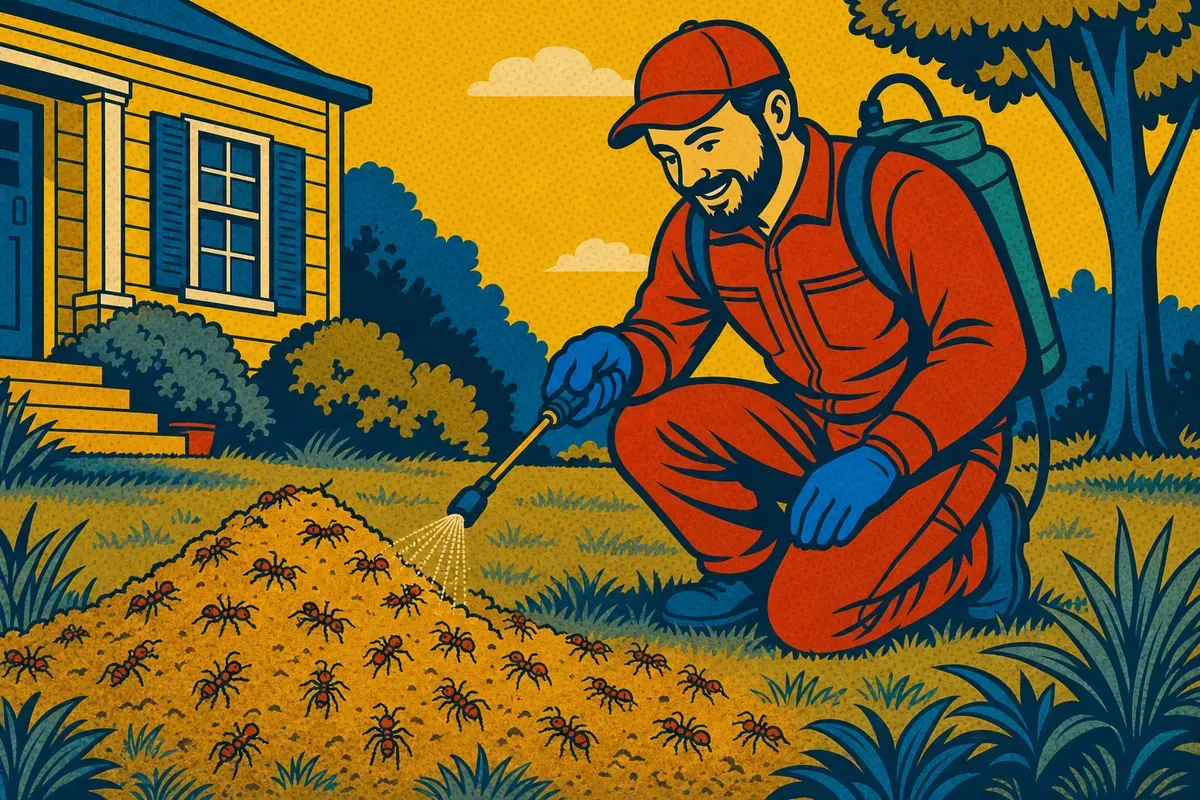
We start by identifying the ant and following the trail back to the nest. We treat the colony directly where we can reach it, use baits that workers carry back to the nest where we can't, and apply a barrier around the outside of the home to stop new ants coming in. Fire ant mounds in the yard get treated too.
We treat the common household ants, including odorous house ants, Argentine ants, pavement ants and fire ants. Carpenter ants damage wood and need a different approach: see our carpenter ant control.
Dealing with ants? Free, no-obligation estimate.
Here's what our customers say. 📣
-
“If bugs had a “Most Wanted” list, Kyle would be at the top of it. He’s not just an exterminator…”
Christon Owens, Google review -
“I have been a Mack customer for years. I have never had a complaint. I allowed another company to…”
Glenna Avant, Google review -
“Shawn is absolutely amazing! He always takes great care of our community ant Catawba Apartments and…”
Joselyn Huizar, Google review



What to expect from ant control
Find the colony, treat it, and keep new ones out.
- Step 1
Inspection
We identify the ant, follow the trails and find where they're nesting and getting in, inside and out.
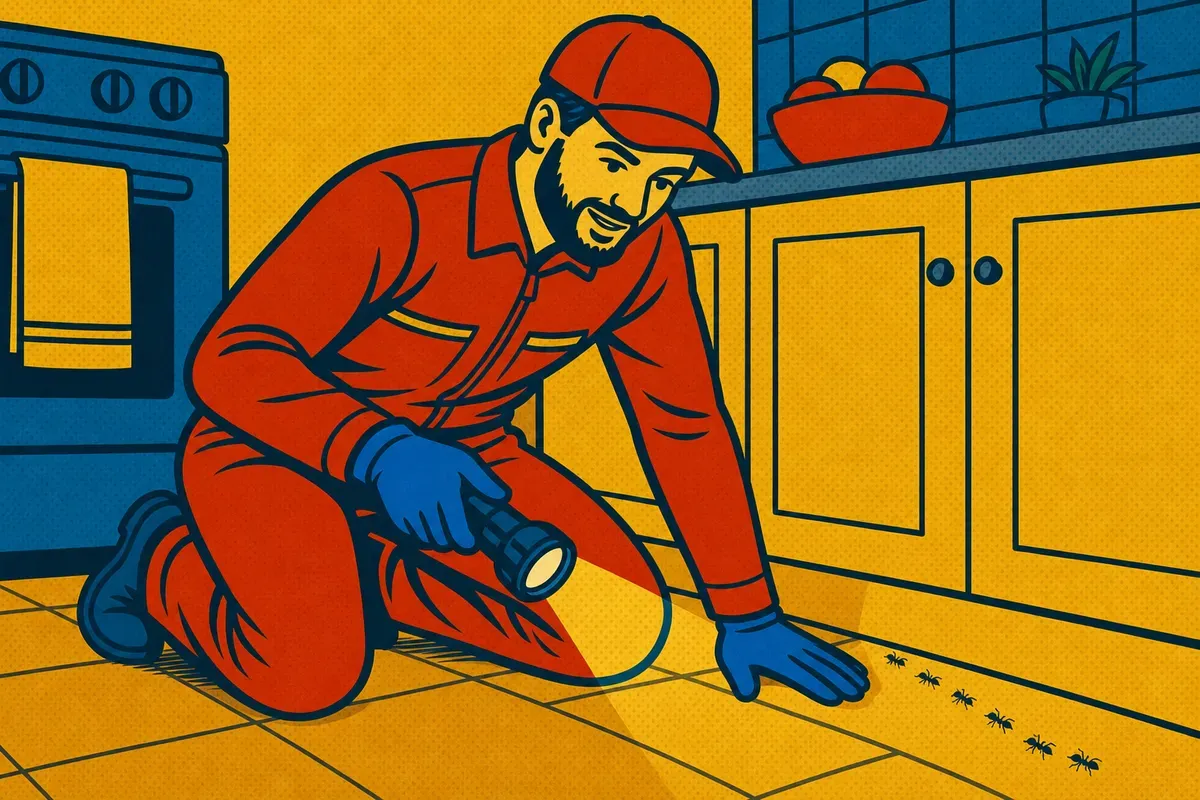
- Step 2
Treatment
Baits and direct colony treatments, a barrier around the outside of the home, and fire ant mound treatment in the yard.
- Step 3
Follow-up and prevention
We check that the colony is gone and point out what's attracting ants. On a year-round plan, exterior treatments keep new colonies out.
How to prepare for ant treatment

-
Don't spray the trails
We use them to find the nest, and baits work best while ants are actively foraging.
-
Put food away
Store food in sealed containers and wipe up sugary spills, but leave the ants alone.
-
Clear the problem spots
Empty the cabinet under the kitchen sink and clear the baseboards where ants are active.
-
Wait until it's dry
Keep kids and pets off treated areas outside until they've dried.
Related Blog Posts
Discover more tips and advice about ant prevention and pest control best practices.
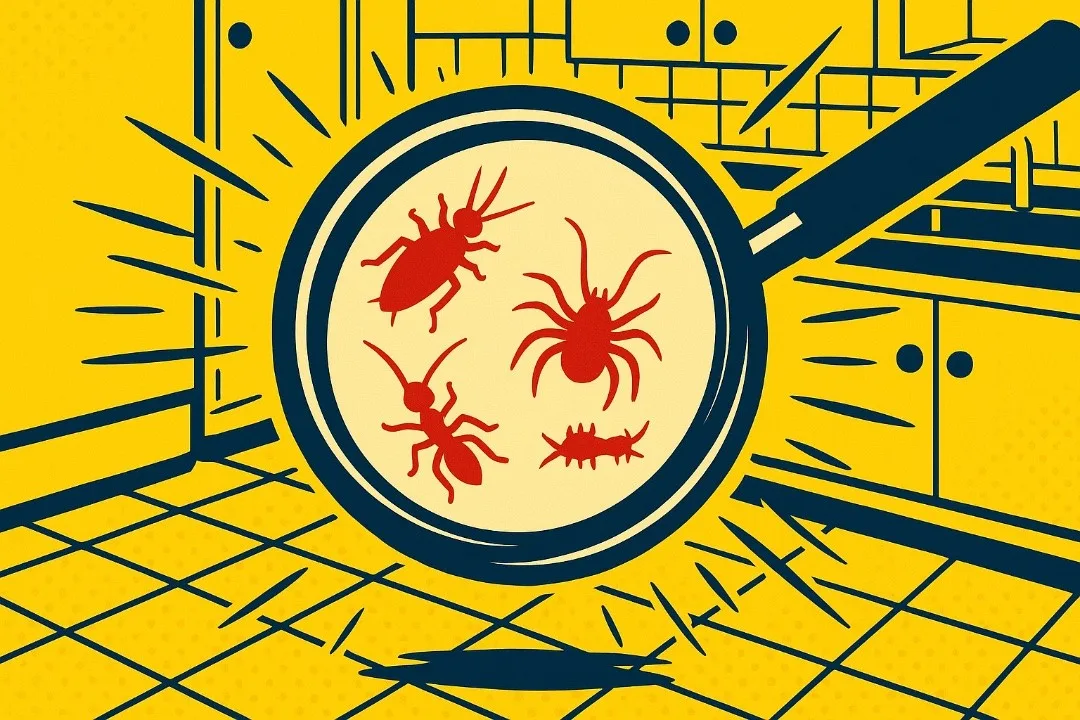
Recognizing and Handling Common Indoor Pests in South Carolina Homes
Explore South Carolina's common indoor pests and their impacts while learning how to identify and manage them. Invaders in your home aren't welcome!
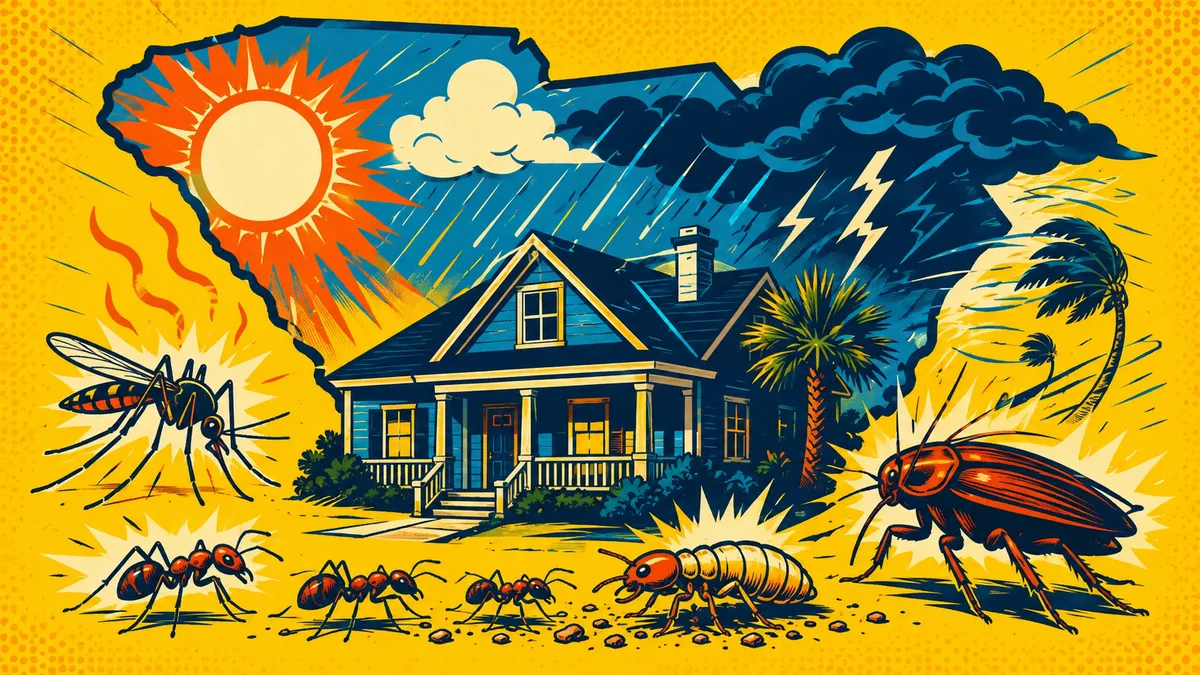
How Does South Carolina's Weather Influence Pest Behavior and Infestations?
Learn the influence of South Carolina's climate on pest infestations. Discover how weather and temperature shifts drive pest activity in your space.
Embracing Eco-Friendly Pest Control Innovations in South Carolina
South Carolina is embracing eco-friendly pest control due to increasing environmental consciousness. Discover the benefits of green pest management solutions.

Ant control questions
Why do ants keep coming back after I spray them?
Store-bought sprays kill the workers you can see, not the colony or the queen. Some species also scatter and start new colonies when they're sprayed. Baits and colony treatments go after the whole nest.
How soon will I see results after ant treatment?
You'll usually see fewer ants within a few days. Baits take a little time, because workers have to carry them back and share them through the colony, so you may see ants feeding on the bait at first. That's a good sign.
Do you treat fire ants?
Yes. We treat fire ant mounds in the yard, and every one of our year-round plans includes fire ant treatment within 15 feet of the home.
Are your ant treatments safe for kids and pets?
Our products are EPA-registered and applied by licensed technicians according to the label. Keep kids and pets off treated areas until they've dried, and your technician will tell you when it's okay to go back.
Do I have to leave my home during ant treatment?
Usually not. You can stay home while we work; just keep kids and pets off treated areas until they've dried.
Will ants come back after treatment?
Our treatments go after the colony, which is what keeps ants from coming back. On a year-round plan, if ants do return between visits, we come back and re-treat at no cost.
How can I tell carpenter ants from other ants?
Carpenter ants are bigger than most household ants, usually black or red and black, and you'll often find small piles of sawdust-like debris where they're nesting in wood. They need a different treatment. See our carpenter ant control.
Ready for an Ant-Free Home?
Contact us today to book your free inspection and take the first step towards lasting protection!
4.8 from 540+ Google reviews · Backed by our guarantee: if pests come back between visits, so do we, free.