
Spiders in North Carolina: The Ones in Your House, and the Two That Matter

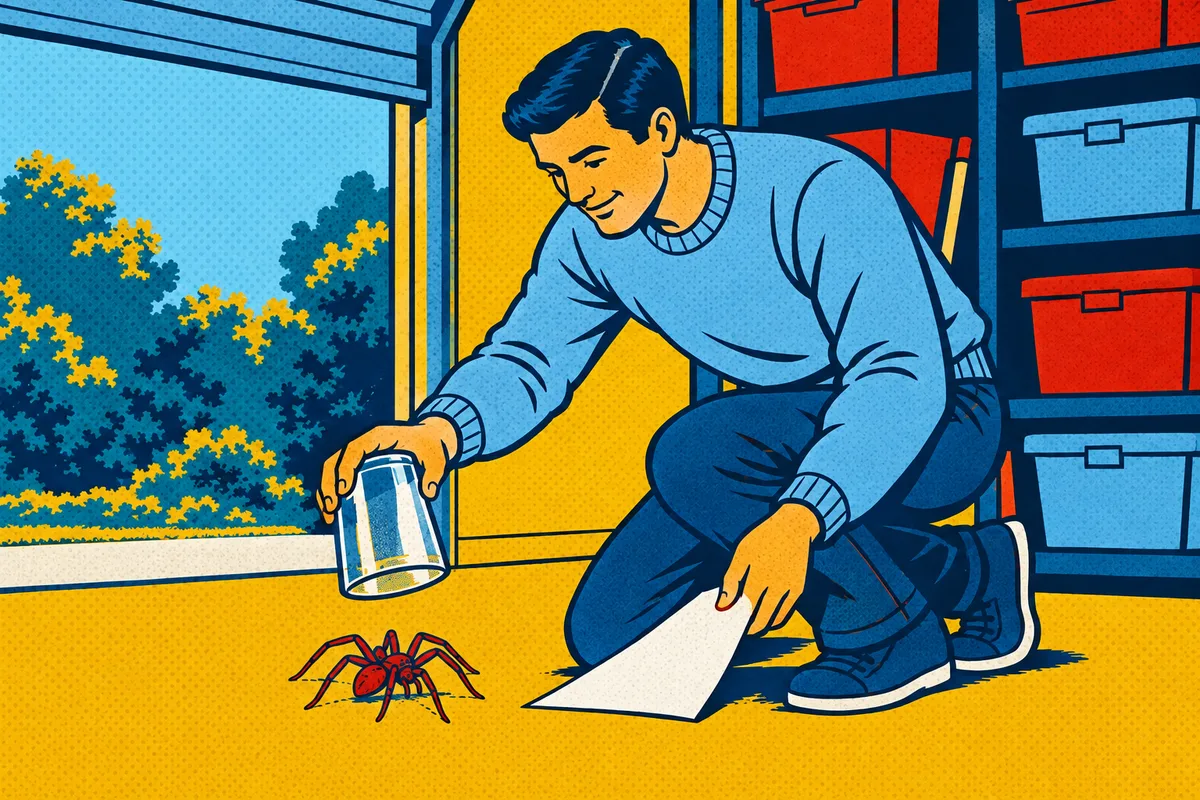
North Carolina has more than 1,000 species of spiders, according to NC State Extension, and nearly all of them are harmless to people. The two that matter are the black widow, which is common across the state, and the brown recluse, which is so rare here that most North Carolinians will never see one. Everything else, from the big wolf and fishing spiders to the Joro spiders now spreading into the state, is more startling than dangerous.
The two that matter
Black widows
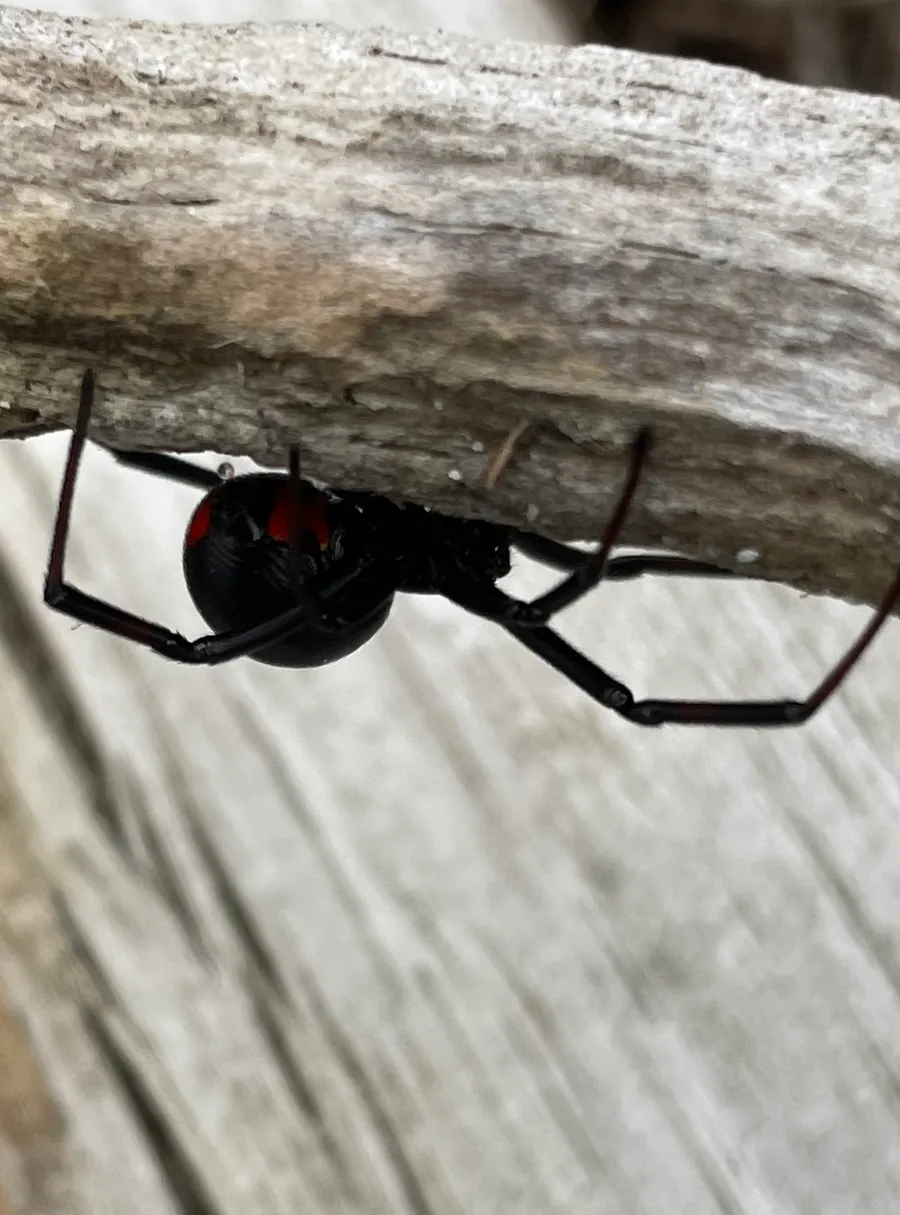
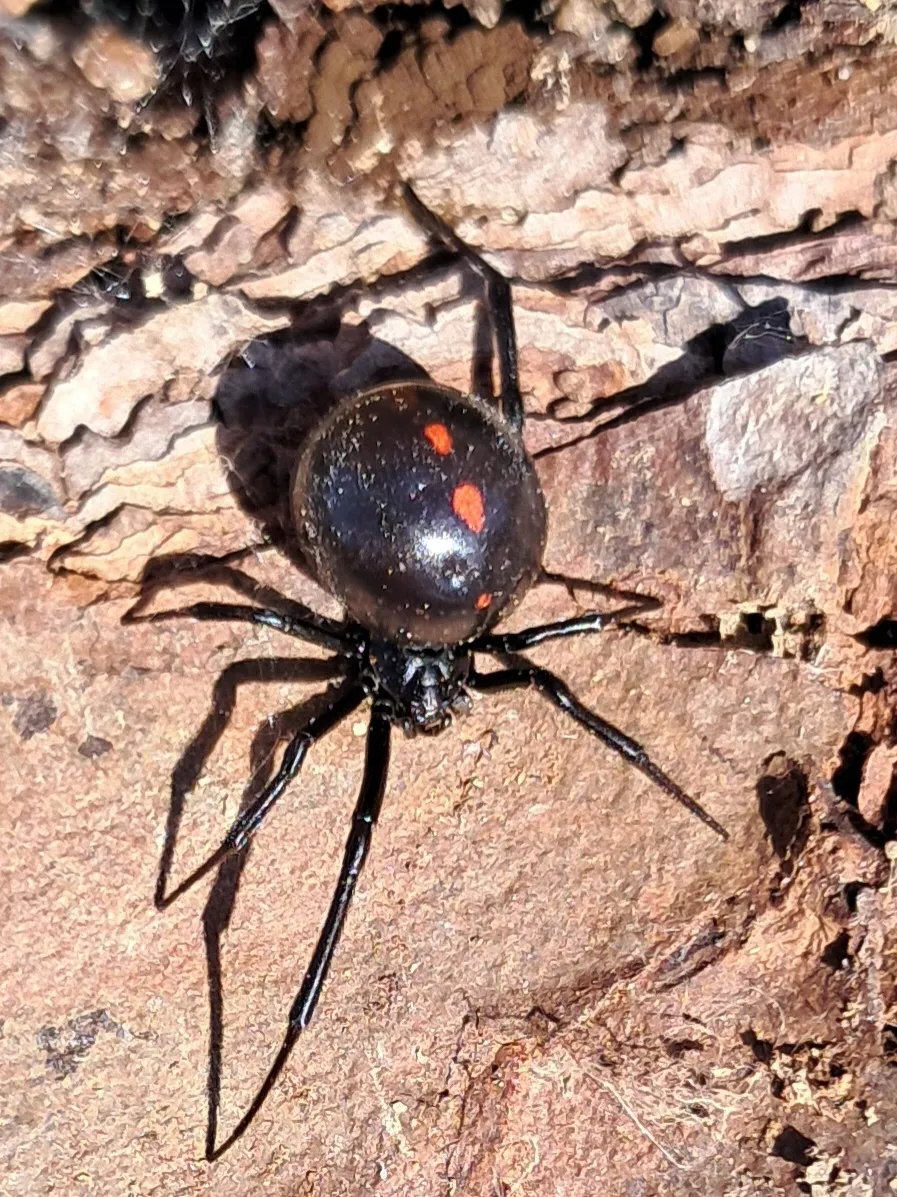
The black widow is the spider North Carolinians should know. NC State’s guide to spiders in and around homes describes the female as a large, shiny black spider with a red hourglass on the underside of the abdomen. Only adult females have the full hourglass. Young widows are tan to gray with orange and white stripes. You’ll also find northern black widows here. Clemson Extension’s widow factsheet notes they have two red spots underneath instead of a full hourglass, and may have red spots on top too.
| Where black widows hide | Around the house |
|---|---|
| Under rocks and boards | Woodpiles, stacked lumber, pavers |
| Dense plant growth | Shrub beds and ground cover along the foundation |
| Dark, damp corners | Crawl spaces, under appliances, garages, sheds |
How dangerous are they? Black widow venom affects the nervous system. Bites are rare and happen when a spider is pressed against skin, usually by a hand reaching into a dark spot. If you’re bitten, NC State says to apply ice or a cold pack and get medical help. Antivenom is available through a physician but works best given soon after the bite. If you can do it safely, bring the spider along or snap a photo so it can be identified.
Brown recluses: real, but rarely here
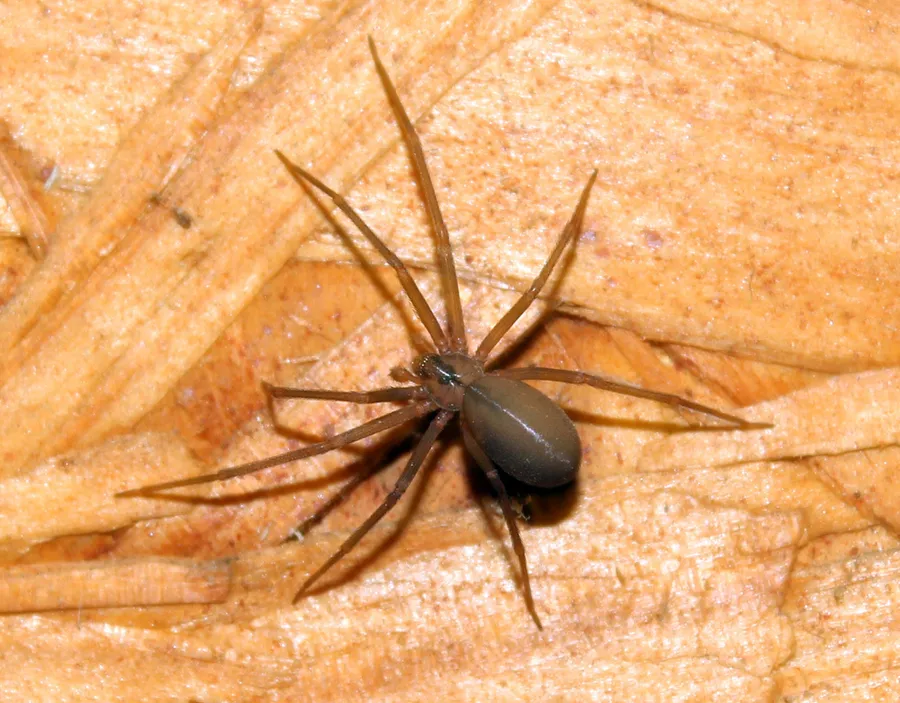
The brown recluse gets the most fear and the fewest sightings. NC State entomologist Matt Bertone writes that recluses aren’t native to most of North Carolina: distribution maps usually include only the state’s far western tip. They do sometimes turn up in buildings elsewhere, carried in by people, and once inside they can persist for years. Still, he notes most North Carolinians “are likely to never encounter a recluse spider in their lifetime.”
The giveaway isn’t the violin-shaped mark, which other spiders can seem to have. It’s the eyes: recluses have six eyes in three pairs, while most spiders have eight. Many “recluses” turn out to be nursery web spiders, which have eight eyes and spiny legs. And many wounds blamed on recluse bites turn out to be other conditions, including MRSA skin infections, so any wound that is spreading or not healing deserves a doctor’s look, whatever caused it.
Big, fast and harmless
Wolf spiders
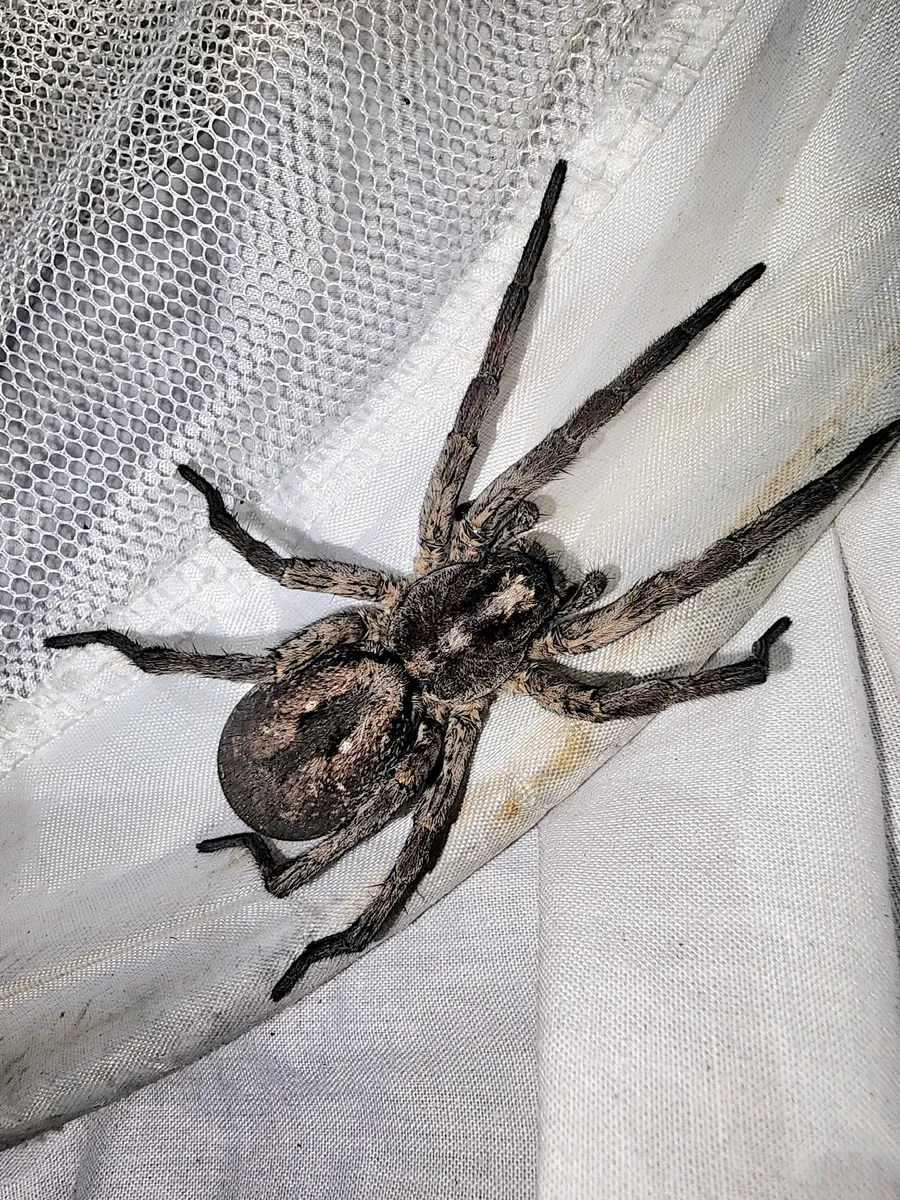
Wolf spiders are very common in North Carolina, from wetlands to forests to grasslands. They’re hairy, brown and gray, and they hunt on the ground instead of building webs. NC State says they’re the spiders that most often wander into homes, hiding during the day and hunting at night. Catch a stray one in a cup and put it outside.
Fishing and nursery web spiders
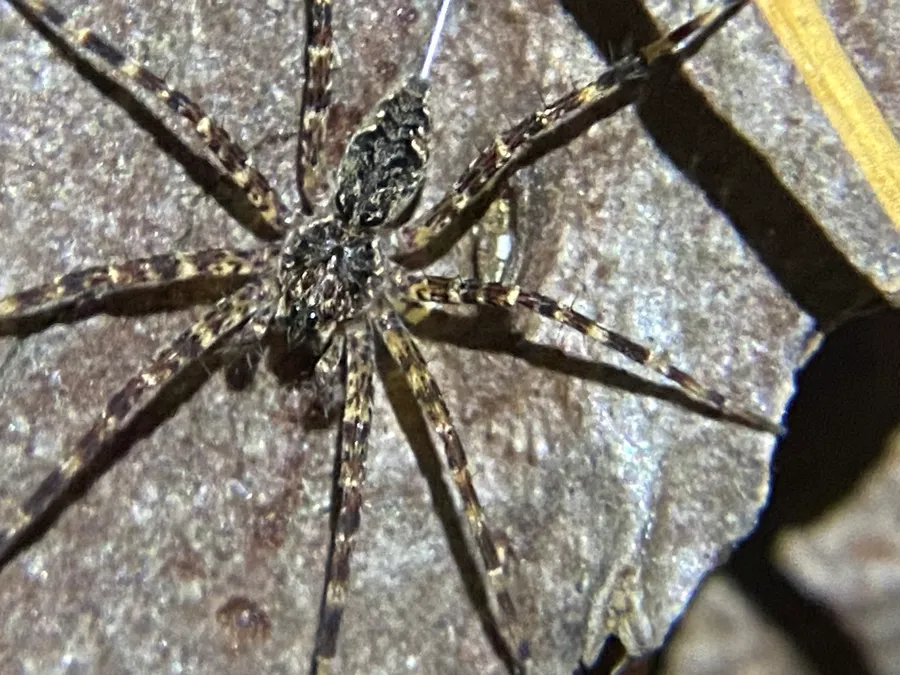
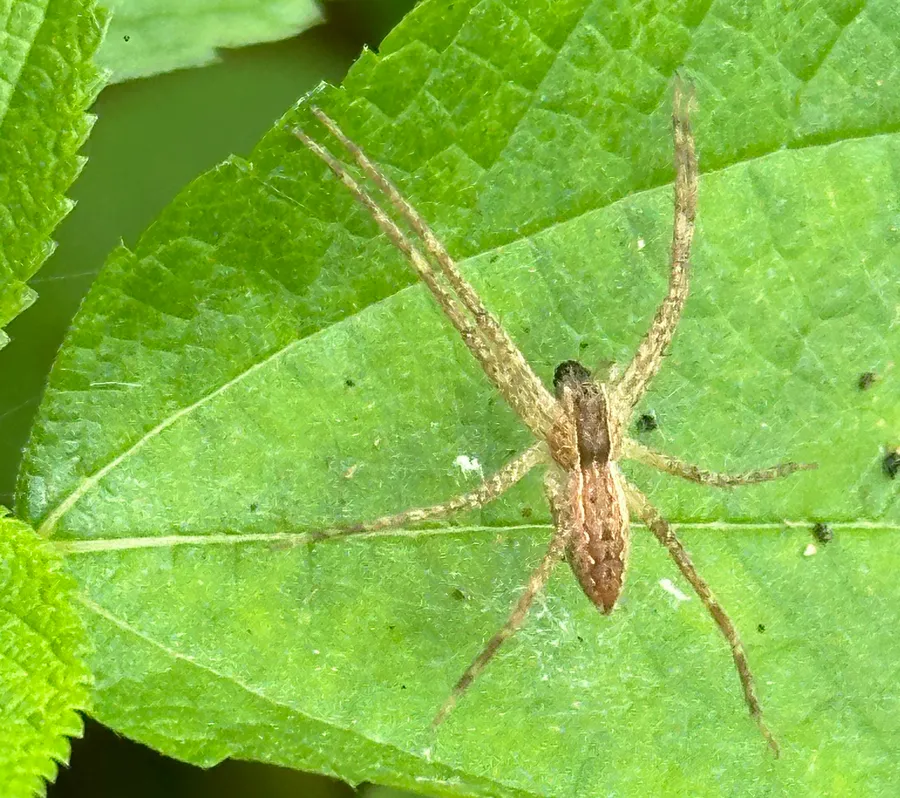
The dark fishing spider is one of the biggest spiders you’ll see indoors in North Carolina. Females can have a body up to an inch long with legs spanning much wider. Despite the name, Penn State Extension notes they’re often found far from water in wooded areas and are common in homes near woods. They’re harmless and rarely bite even when grabbed.
Nursery web spiders are their slimmer cousins. NC State describes them as medium to large, not aggressive and not dangerous. They’re the spider most often mistaken for a brown recluse.
Garden spiders, golden silk spiders and Joros
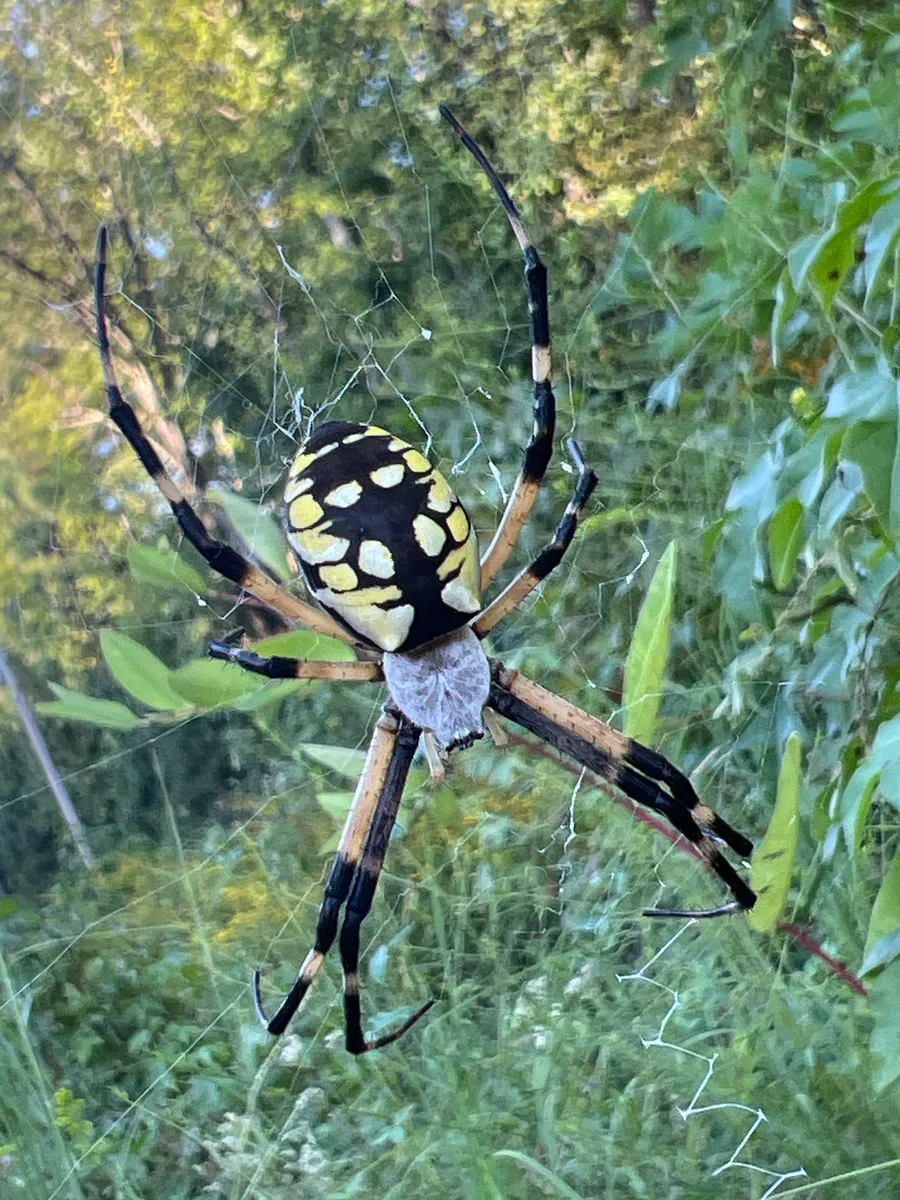
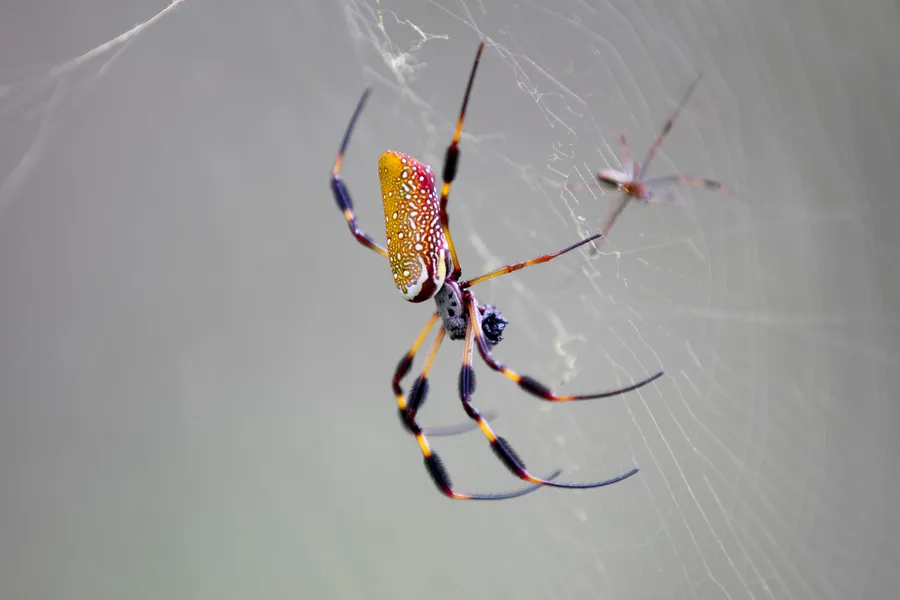
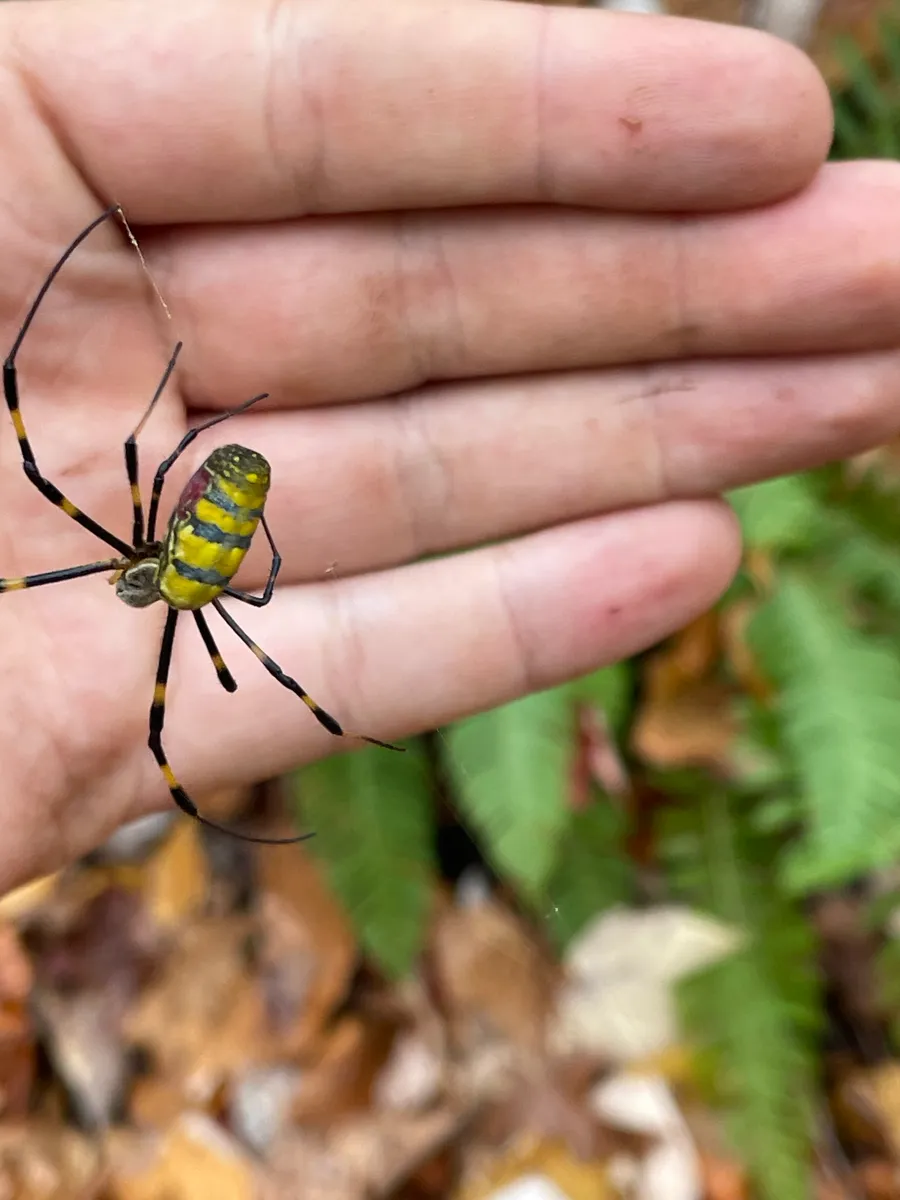
The big yellow-and-black spiders in the middle of large round webs are orb-weavers, and all three of these are harmless:
| Spider | How to recognize it | Where in NC |
|---|---|---|
| Yellow garden spider | Yellow and black, with a thick zigzag of silk down the middle of the web | Gardens, tall grass and shrubs |
| Golden silk spider | Long yellow body, tufted legs, a web with a golden shine | Mostly near the coast, also inland |
| Joro spider | Large, yellow with blue-black bands, a reddish patch underneath | Spreading in from Georgia; found in NC |
Range notes for the golden silk spider and Joro are from NC State Extension’s guide to North Carolina’s spiders. The Joro, native to East Asia, was first recorded in Georgia in 2014 and has since reached North Carolina. Their webs can be huge, but you can knock them down with a broom.
Jumping spiders
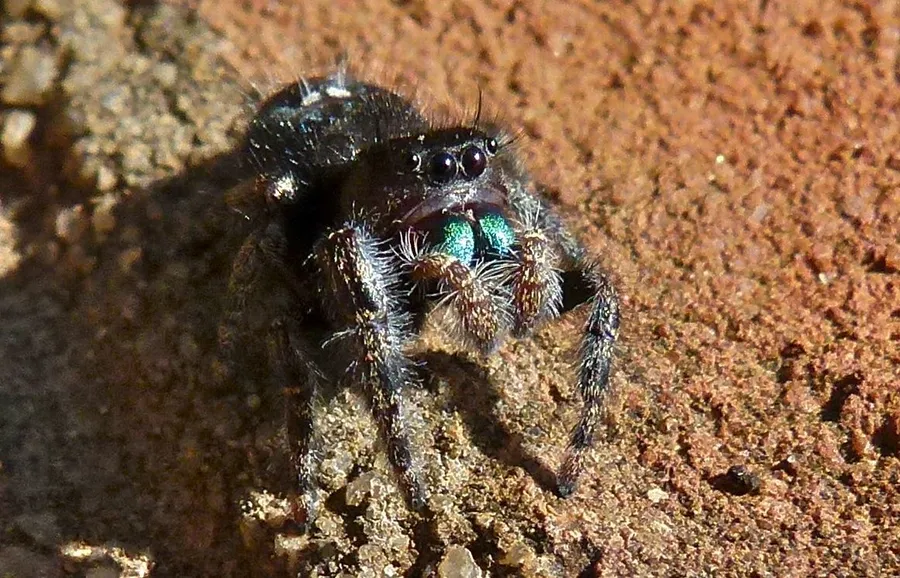
Jumping spiders are small, fuzzy and often brightly marked, with two big front eyes. They live in every region of the state, from the coast to the mountains, and hunt on walls and windowsills. They’re harmless.
Keeping spiders out of your home
NC State points out that spiders outdoors are beneficial predators, and spraying the yard for them is largely unnecessary. Inside is a different story. Fewer insects and fewer gaps mean fewer spiders:
- Seal entry points around doors, windows, pipes and utility lines.
- Cut down the insects spiders eat: clean up crumbs and clutter that draw insects, and switch porch lights to yellow bulbs.
- Vacuum webs, egg sacs and corners, including baseboards and under furniture.
- Wear gloves when handling firewood, lumber and stored boxes, and look before reaching into dark corners.
- Shake out shoes and clothes that have sat unused in a garage or closet.
- Skip the bug bombs. NC State says foggers are not likely to work against spiders and can be hazardous. Crawl space treatment is often best left to professionals.
When to call
Call when you’re finding black widows around the house, when webs keep coming back no matter how often you clear them, or when spiders are showing up in the crawl space, garage and living areas at once. That usually means a steady supply of insects and good places to hide.
Mack’s spider control service removes webs and egg sacs, treats the eaves, foundation, doors, windows and crawl space where spiders hide and get in, and treats indoors where they’re active. Because it also cuts down the insects spiders feed on, there’s less reason for them to come back. De-webbing and crawl space treatment are part of every year-round plan, and if spiders come back between visits, so do we, at no extra cost.
We serve homes across North Carolina, from Charlotte and Raleigh to Greensboro and Wilmington. Request a free estimate or call 864-235-9611.