
Bed Bugs in South Carolina: How They Get In, How to Check, and What Treatment Takes

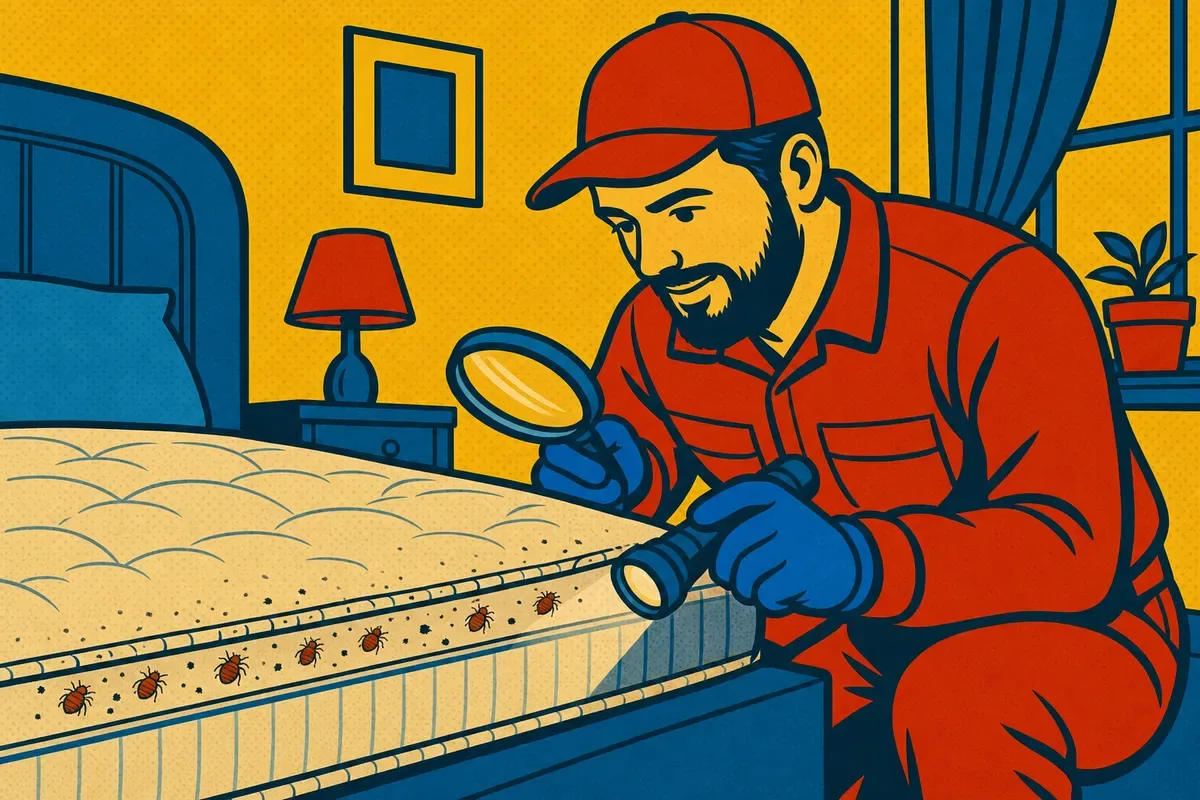
Bed bugs get into South Carolina homes the same way they get in anywhere: they hitchhike. They ride in on luggage, used furniture and visitors’ bags, and they walk between units in apartments. Getting them has nothing to do with how clean a home is. What matters is catching them early, because a small problem in one bed is far easier to end than one that has spread through the house.
What a bed bug looks like
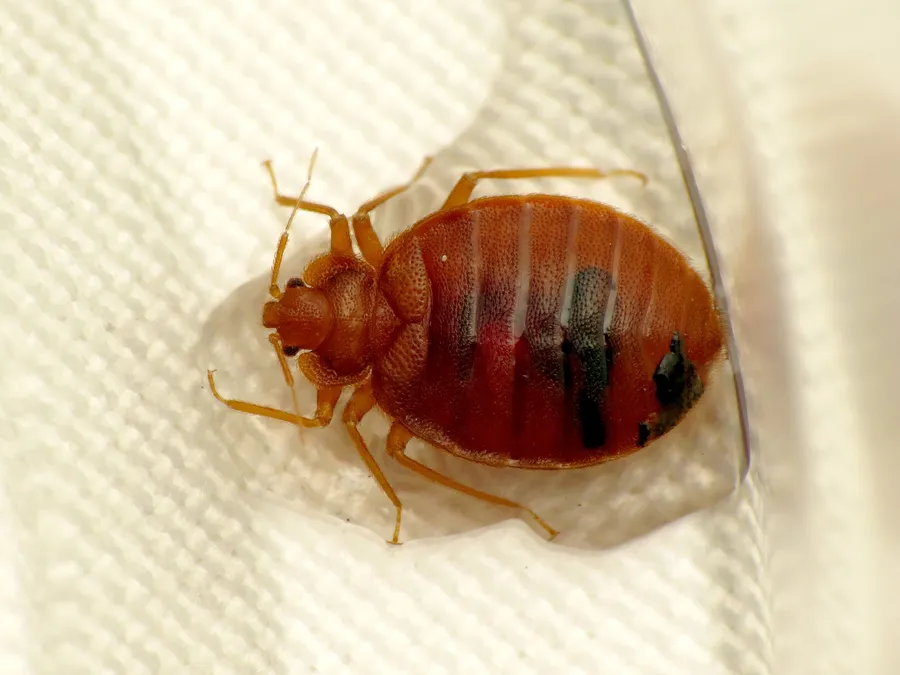
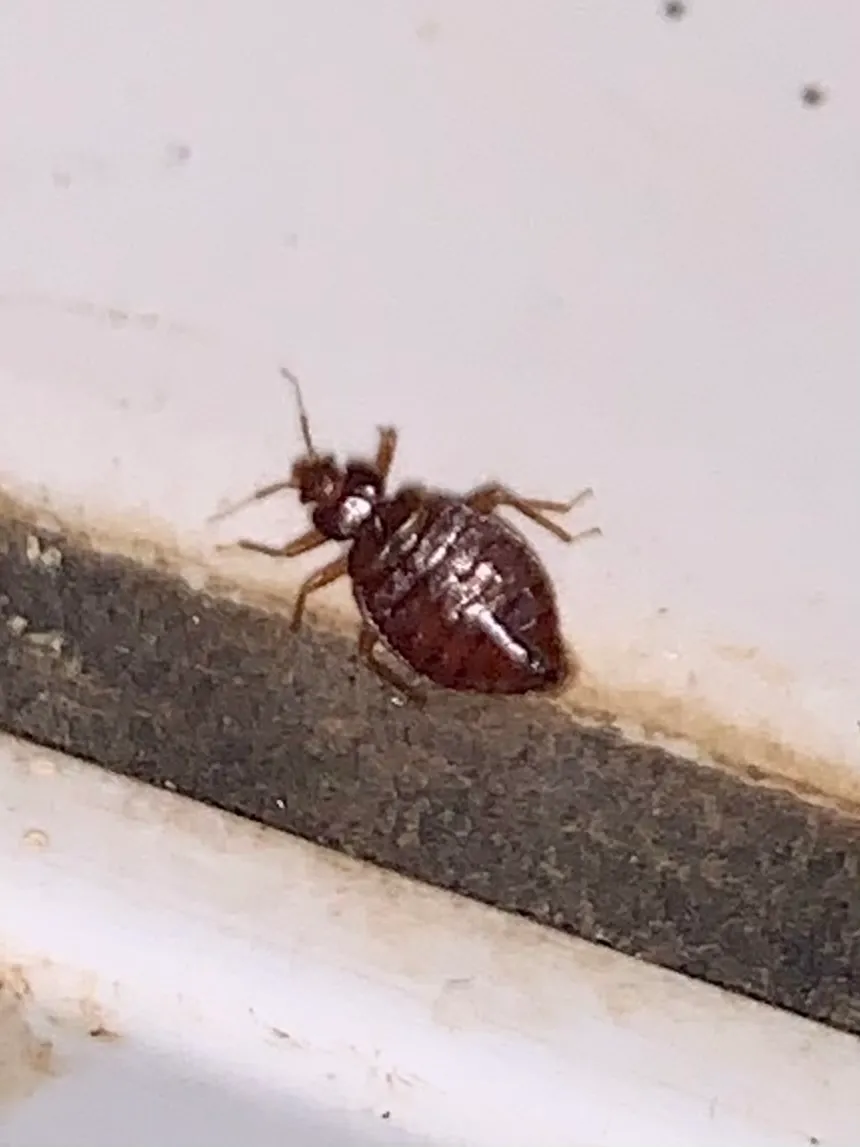
Clemson Extension’s bed bug factsheet describes the adult as about 3/16 inch long, broadly oval, flat and mahogany to red-brown. They have only short wing pads and can’t fly. The young are tiny and nearly clear, and look like a small drop of blood after they’ve fed.
| Fact | Detail |
|---|---|
| Size | About 3/16 inch as adults |
| When they feed | At night, on sleeping people. The bite itself is painless |
| Eggs | One to five a day after a blood meal, 200 or more in a lifetime |
| Egg to adult | Six to seven weeks in good conditions |
| How long without a meal | Adult females can go more than 150 days |
| Can they fly or jump? | No. They crawl |
Not every bug in a bed is a bed bug. Clemson notes that many “bed bug” problems turn out to be bat bugs or swallow bugs, close relatives that come from bats or birds roosting in an attic or chimney. That’s one reason to have a professional identify what you’ve found before anything gets treated.
How bed bugs get into South Carolina homes
The EPA says bed bugs move from place to place on furniture, bedding, luggage, boxes and clothing. In South Carolina, that means a few common routes:
| Route | Where it comes up most |
|---|---|
| Hotels and vacation rentals | The Grand Strand, Hilton Head and Charleston, with their constant flow of guests |
| Travel corridors | Florence, at the crossroads of I-95 and I-20 |
| Student and military housing | Columbia, with USC and Fort Jackson; Charleston, with students moving in and out; dorms and rentals in Greenville |
| Used furniture | Anywhere. Second-hand beds and couches are a classic source |
| Shared walls | Apartments, condos and duplexes, where bugs walk between units |
Bed bugs live indoors and can go months between meals, so a problem doesn’t fade when the weather turns cold. It has to be treated.
How to check a bed
Start with the bed itself, then work outward. The EPA’s guide to finding bed bugs lists what to look for:
| Sign | What it looks like |
|---|---|
| Rusty or reddish stains | Smears on sheets or the mattress where a bug was crushed |
| Dark spots | Dots the size of a period that bleed into the fabric like a marker would. These are droppings |
| Eggs and shed skins | Pale yellow, about 1 mm, tucked into seams and cracks |
| Live bugs | In the seams, piping and tags of the mattress and box spring, and cracks in the frame and headboard |
Where to look, in order:
- Mattress seams, piping and tags
- The box spring
- The bed frame and headboard, including screw holes and joints
- Furniture near the bed: nightstand drawers, chair and couch seams
- In a bigger infestation: curtain folds, behind picture frames and loose wallpaper, electrical outlets, and where the wall meets the ceiling
The EPA’s rule of thumb: if a crack will hold a credit card, it could hide a bed bug.
Don’t rely on bites. The EPA calls bites “a poor indicator” of bed bugs, because they look like mosquito or chigger bites and some people don’t react at all.
What not to do
| Don’t | Why |
|---|---|
| Move to the couch or another bedroom | Bed bugs follow people, and moving spreads them to new rooms |
| Throw out the mattress first | Carrying it through the house can spread them, and a new one gets reinfested if the room isn’t treated |
| Rely on a bug bomb | The EPA says foggers don’t reach the cracks where bed bugs hide and shouldn’t be your only method |
| Use rubbing alcohol, kerosene or gasoline | They can ignite and harm your family |
| Turn up the heat or use a space heater | It doesn’t work and is dangerous |
The last three are from the EPA’s bed bug control guidance.
What you can do right away
- Wash and dry on high heat. A dryer on high heat kills bed bugs. Bag bedding and clothes before carrying them to the laundry.
- Vacuum the mattress, frame, furniture and carpet edges, then seal the bag in plastic and put it in the outside trash.
- Encase the mattress and box spring in a zippered cover made for bed bugs. A light-colored one makes them easier to spot.
- Cut the clutter around the bed so there are fewer places to hide.
These help, but they rarely finish the job. The EPA is frank that bed bug control “is complex and can take weeks to months,” and that eggs often survive a first round.
Coming home from a trip
- In the hotel room, look over the luggage rack before you put your suitcase on it.
- At home, run your travel clothes through the dryer on high heat.
- Check second-hand furniture carefully before it comes inside.
What professional treatment involves
Clemson’s own advice is that bed bugs are hard to control and you may need a professional. Mack’s bed bug treatment works in three steps:
- Inspection. We confirm it’s bed bugs and not another biter, and find every room and piece of furniture they’ve reached. Then you get a prep checklist for your home.
- Treatment of every affected room. Mattresses, box springs, bed frames, headboards, furniture, baseboards and the cracks nearby. Treating one room while bugs hide in the next is how infestations come back.
- Follow-up visits. Eggs can survive the first treatment, so we come back to treat what hatches and confirm they’re gone. If bed bugs are still active, we return at no extra charge.
Service is discreet, and we can often inspect the same day or the next day. Bed bugs aren’t among the year-round plans’ line items, so call for a free estimate.
We also treat apartments, hotels, short-term rentals and dorms. See our multi-family and hospitality programs.
Mack has served South Carolina since 1983, and we treat bed bugs from Greenville and Columbia to Charleston and Myrtle Beach. Request a free inspection or call 864-235-9611.